This is a story from the 18th century. In Edinburgh, the main city of Scotland, a police officer named John Gray was fond of keeping dogs.
John Gray owned a Skye Terrier. Until it was six months old, no one had given it a name. After six months, John named it “Bobby.”
At that time, John was working as a security guard at a cattle market, and Bobby would accompany him on duty so that no thief could approach the animals.
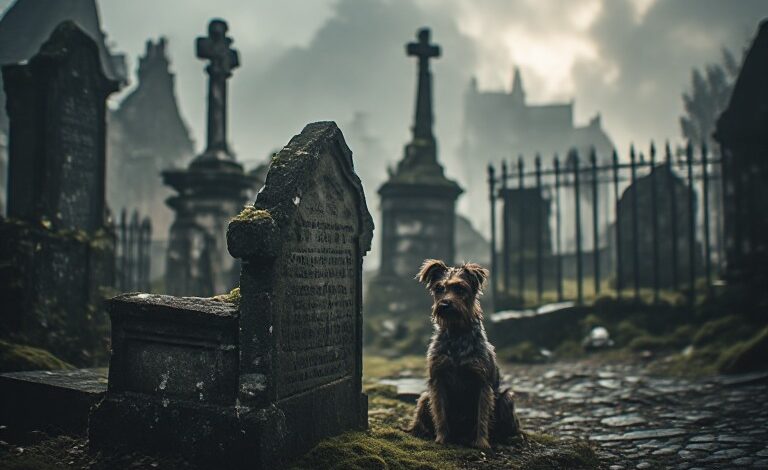
After his death, John Gray was buried in a cemetery where dogs were not allowed. The cemetery was called Greyfriars Kirkyard. Every day, Bobby would go there and sit on his owner’s grave. The cemetery caretaker would chase him out.
This became a routine: Bobby would enter the cemetery, and the caretaker would throw him out. One day, during a harsh winter when the weather was extremely cold and dry, Bobby was sitting outside in the open field near his owner’s grave when the guard noticed him.
The guard, named James, felt sympathy for the dog and gave him some food. From then on, Bobby became somewhat accepted, and the cemetery became his second home. However, the struggle between the caretaker and the dog continued for nearly fourteen years.
At that time in Scotland, keeping a dog required a license, which cost about 12 shillings. During summers, a contagious disease would spread among dogs in Scotland, causing them to become aggressive and bite people. Therefore, unlicensed dogs were often killed.
Bobby also did not have a license because his original owner had died, and no one else had officially taken responsibility for him. Because of this, Bobby’s case was brought to court, involving John Gray’s friend, John Traill, who was asked why he kept an unlicensed dog.
After legal proceedings, the court decided that Bobby should be put down. However, a philanthropist paid the required fee, saving Bobby’s life.
After Bobby’s death, he was buried in the same cemetery, and a memorial statue was built for him on the road beside it.
According to the residents of Edinburgh, a famous belief now exists about the statue: “Whoever touches it, their luck changes.”