

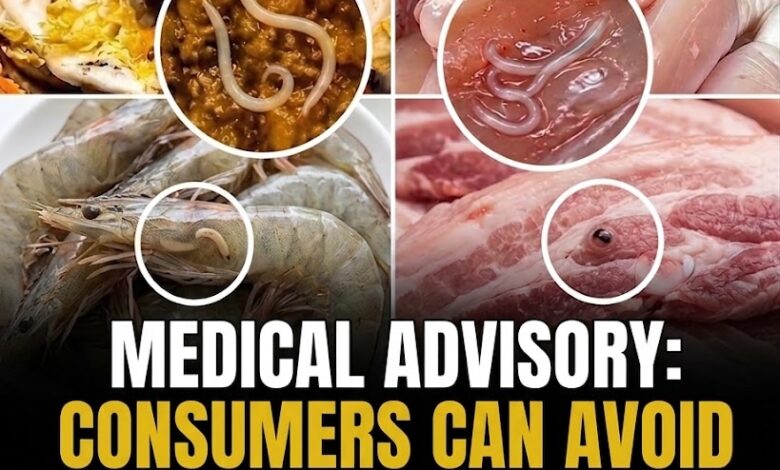
Parasites can sometimes be found in certain foods, but that doesn’t mean you need to eliminate those foods from your diet. In most cases, the concern isn’t the food itself—it’s how it was sourced, handled, stored, or prepared. Eating raw or undercooked food can increase the risk of certain foodborne infections, which is why proper food safety practices are so important.
Some foods are more commonly linked to parasites than others. Raw or undercooked fish, pork, wild game, and certain types of shellfish can carry parasites when they come from contaminated sources or aren’t prepared correctly. Fresh fruits and vegetables can also become contaminated if they come into contact with unsafe soil or water, especially when they aren’t washed properly before consumption.
The good news is that many of these risks are preventable.
Cooking food thoroughly is one of the most effective ways to destroy many parasites and other harmful organisms. Meat, seafood, and poultry should be cooked to appropriate internal temperatures, while fruits and vegetables should be washed carefully under clean running water before eating.
Raw foods require extra caution. If you enjoy dishes such as sushi or raw oysters, choosing reputable restaurants and suppliers that follow established food-safety practices can help reduce the risk. Proper refrigeration and avoiding cross-contamination in the kitchen are also important.
But how would you know if you’ve been exposed?
Symptoms can vary depending on the type of parasite involved. Possible signs include abdominal pain, diarrhea, nausea, unusual fatigue, digestive problems, or unexplained weight changes. Some infections may cause few or no noticeable symptoms at first.
If digestive symptoms persist or become severe—particularly after eating food that may have been contaminated—it’s best to speak with a healthcare professional. Testing can help determine whether a parasite or another condition is responsible.
Despite alarming headlines claiming that certain foods are “full of parasites,” the reality is much less dramatic. Food safety practices, proper cooking, careful washing, safe storage, and reliable sourcing can significantly reduce the risk.
You don’t necessarily need to fear these foods.
You simply need to handle them safely.
A few basic precautions can go a long way toward keeping meals enjoyable—and your family protected from preventable foodborne illness.




