(Phereoeca uterella – also known as the household casebearer)


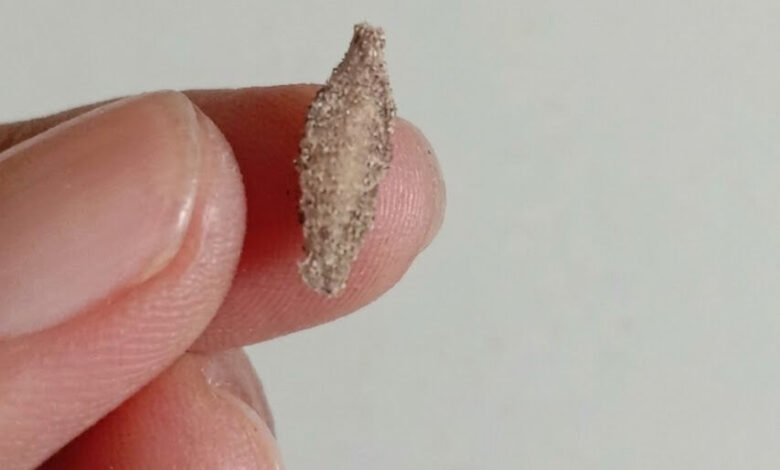
Though small and easy to ignore, the Kamitetep—better known as Phereoeca uterella—is something many people have seen inside their homes… without realizing what it is.
These tiny, moving “cases” often stick to:
- Walls
- Ceilings
- Furniture
At first glance, they look harmless—almost like bits of dust or debris.
But there’s more to them than meets the eye.
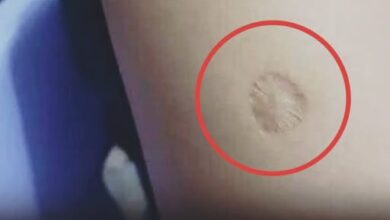
 Can They Affect Your Skin?


Some people report experiencing:
- Itching
- Skin irritation
- Small bumps or redness
This isn’t because the insect is aggressively “biting” like a mosquito…
But because of tiny hairs or fibers associated with the larva that may irritate sensitive skin.
 Important: Reactions vary. Many people never experience any symptoms at all.
If irritation happens, simple treatments like anti-itch creams usually help.
 What Exactly Is It?


According to sources like Wikipedia, Phereoeca uterella is:
- A moth species
- Commonly called a plaster bagworm or household casebearer
- Found mostly in warm, humid environments
The larva lives inside a protective case (cocoon) made from:
- Silk
- Dust
- Sand
- Tiny debris
It only partially comes out when it needs to move or feed.
 Why You See Them in Your Home


These larvae love environments that are:
- Warm
- Humid
- Quiet and undisturbed
That’s why they’re often found in:
- Closets
- Corners of ceilings
- Behind furniture
- Near spider webs
They actually feed on:
- Natural fibers (like fabric)
- Dust and debris
- Sometimes even small spiders or web residue
 Life Cycle & Growth


Even though they’re tiny (around 13 mm long), they can multiply quickly.
- A single cycle may produce hundreds of eggs
- The larvae hatch and immediately create their protective cases
- They stay hidden and continue growing indoors
Over time, they transform into small moths.
 How to Keep Them Under Control
Simple steps can help reduce them:
- Clean dusty areas regularly
- Vacuum corners, walls, and ceilings
- Reduce humidity (use ventilation or dehumidifiers)
- Check closets and fabrics
- Remove visible cases manually
The cleaner and drier your space, the less likely they are to stay.
 Final Thought


The Kamitetep might look strange…
But it’s actually a common indoor insect, especially in warm climates.
It’s not something to panic about—
but it’s definitely something to be aware of.
A little cleaning and attention goes a long way in keeping your home comfortable and pest-free.