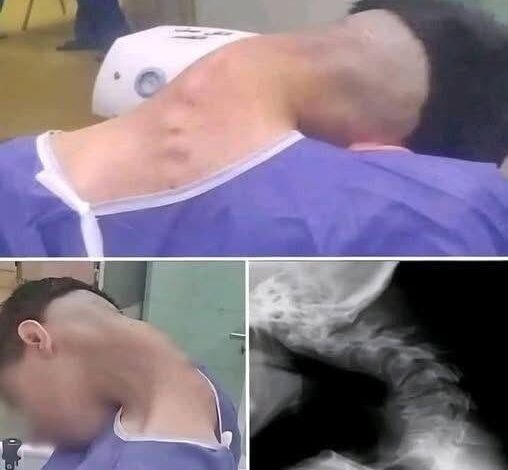
Rare Case of Dropped Head Syndrome Highlights the Importance of Early Diagnosis
A recently reported medical case from a hospital in Isfahan has drawn attention to Dropped Head Syndrome (DHS), an uncommon neuromuscular disorder that can significantly affect a person’s daily life. The case involved a 23-year-old man who developed severe weakness in the muscles of his neck, causing his head to remain in a fixed forward position.
Dropped Head Syndrome is characterized by profound weakness of the neck extensor muscles, making it difficult or impossible to hold the head upright. This condition can interfere with everyday activities such as walking, communicating, eating, and, in more severe cases, even breathing. Although DHS is rare, it is often misunderstood and may initially be mistaken for poor posture or ordinary muscle strain.
The condition is most commonly associated with underlying neurological or muscular disorders, including amyotrophic lateral sclerosis (ALS), myasthenia gravis, Parkinson’s disease, and certain inflammatory muscle diseases. In some situations, prolonged physical strain, muscle fatigue, or chronic poor posture may contribute to the development or worsening of neck weakness, particularly when no traumatic spinal injury is present.
Early symptoms often develop gradually and may include persistent neck fatigue, difficulty keeping the head upright, a progressive forward head tilt, shoulder discomfort, and reduced range of motion. Because these signs can resemble the effects of long hours spent using computers or mobile devices, many people—especially younger adults—may overlook them. However, symptoms that continue to worsen or do not improve should be evaluated by a healthcare professional.
Diagnosing Dropped Head Syndrome usually requires a thorough medical assessment, including neurological examinations, imaging studies such as X-rays or MRI scans, and electromyography (EMG) to evaluate muscle and nerve function. These tests help doctors determine whether the underlying cause is primarily muscular, neurological, or structural. In the reported case, examinations revealed a fixed spinal curvature without evidence of traumatic injury.
Treatment depends on the underlying cause and the severity of the condition. Management may include physical therapy, strengthening and postural exercises, supportive neck braces, pain management, and treatment of any associated neurological disorder. In severe or progressive cases, surgical intervention may be considered to improve head position and overall function. Early diagnosis and appropriate treatment can greatly improve mobility, comfort, and quality of life.
This case serves as an important reminder that persistent neck weakness and abnormal head posture should never be ignored. Maintaining good posture, taking regular breaks during prolonged sitting, staying physically active, and seeking medical advice for ongoing neck pain or weakness are practical steps that can help protect spinal health. While most cases of neck discomfort are not caused by Dropped Head Syndrome, recognizing unusual or persistent symptoms early can lead to timely treatment and better long-term outcomes.