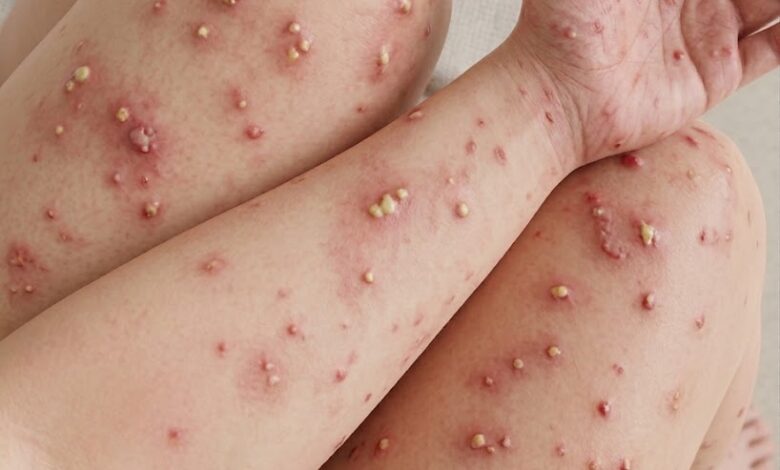
What seemed like an ordinary overnight stay at a friend’s older apartment soon turned into an unexpected problem. For the first day or two, nothing appeared unusual. Then, small, itchy red bumps began showing up on the arms, legs, and other areas of skin that had been exposed while sleeping. At first, the irritation seemed minor and easy to dismiss, perhaps caused by dry skin or a mild allergy. But when even more bumps appeared after another night, it became clear that something in the sleeping environment could be responsible.
One possible explanation is exposure to bed bugs, which are small, nocturnal insects that feed on human blood while people sleep. They often hide in mattress seams, box springs, bed frames, upholstered furniture, and tiny cracks or crevices during the day, making them difficult to spot. Their bites commonly appear as clusters or rows of itchy, red bumps on exposed skin, although reactions vary widely. Some people develop noticeable welts, while others may show little or no visible reaction despite being bitten.
It’s important to remember that bed bugs are only one of several possible causes of an itchy rash. Flea bites, mosquito bites, dust mites, allergic reactions to laundry detergent, soaps, fabrics, or even certain skin conditions can produce similar symptoms. Heat rash, contact dermatitis, eczema, and other dermatological conditions may also resemble insect bites. Because these conditions often look alike, it can be difficult to determine the exact cause based solely on appearance.
If bed bugs are suspected, carefully inspect the sleeping area. Pay close attention to mattress seams, pillow edges, the headboard, bed frame, nearby furniture, and cracks around the bed. Signs of bed bugs may include tiny live insects, dark specks that resemble ink stains, shed outer skins, or small white eggs hidden in crevices. Even if the insects themselves are not immediately visible, these signs can indicate an infestation.
If you stayed overnight in a location where bed bugs may have been present, it’s a good idea to take precautions before bringing your belongings into your home. Wash clothing, bedding, and washable fabrics in hot water, then dry them on the highest heat setting recommended for the fabric. Carefully inspect luggage, backpacks, and personal items, as bed bugs can hitch a ride in seams and folds. Vacuuming suitcases and storing them away from sleeping areas until they have been checked can also help reduce the risk of bringing the insects home.
For itching and irritation, keeping the affected skin clean and avoiding scratching can help reduce the chance of infection. Over-the-counter anti-itch creams or oral antihistamines may provide relief for some people, but it’s always best to follow the directions on the product label or consult a healthcare professional if symptoms persist or worsen.
If the rash continues to spread, becomes increasingly painful, develops pus or significant swelling, or is accompanied by fever, difficulty breathing, or other concerning symptoms, seek medical attention as soon as possible. These signs may indicate an allergic reaction, infection, or another medical condition that requires prompt evaluation.
Whether the cause turns out to be bed bugs, another insect, or a skin condition unrelated to pests, identifying the underlying source is the most important step. A proper diagnosis can help guide the appropriate treatment, prevent additional exposure, and reduce the likelihood of the problem recurring in the future. Early action not only helps relieve symptoms more quickly but also makes it easier to address any environmental issues before they become more difficult to manage.