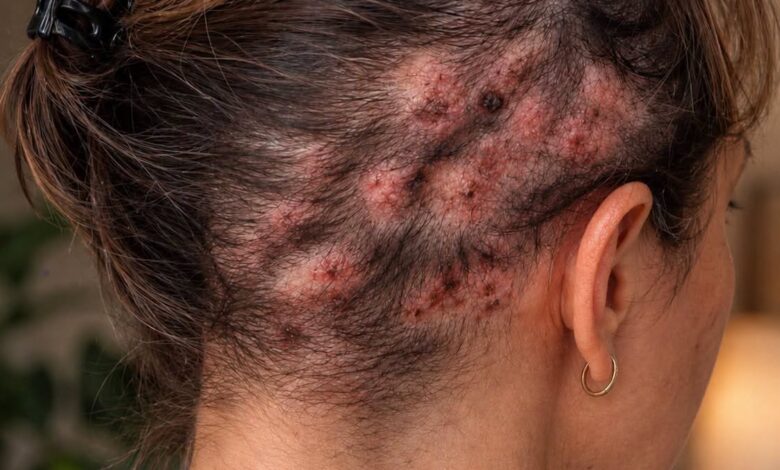
What the Skin Changes Mean
Dark, thick, and slightly rough patches on areas like the neck, underarms, groin, elbows, or knees may seem like dirt or poor hygiene, but they can actually be a sign of Acanthosis Nigricans.
These patches usually have a velvety texture and become darker over time.
They do not wash away with soap or scrubbing.
The condition itself is not contagious.
It cannot spread from one person to another through touch.
For many people, these skin changes are one of the earliest warning signs that something inside the body needs attention.
What Causes Acanthosis Nigricans?
Acanthosis Nigricans is not a disease by itself.
Instead, it is often a sign that another health condition may be present.
The most common cause is insulin resistance, where the body’s cells do not respond properly to insulin.
As insulin levels rise, they can stimulate skin cells to grow faster, leading to thicker, darker patches.
Other possible causes include:
- Being overweight or obese.
- Prediabetes or Type 2 Diabetes.
- Polycystic Ovary Syndrome (PCOS).
- Hormonal disorders affecting the thyroid or adrenal glands.
- Certain medications, such as steroids or hormone treatments.
- Family history or inherited conditions.
- In rare cases, certain types of cancer, especially in older adults.
Who Is at Risk?
People who are overweight have a higher chance of developing this condition.
Children with obesity and dark skin patches should be evaluated because they may be at increased risk of developing Type 2 Diabetes later in life.
Adults with insulin resistance, metabolic syndrome, or a family history of diabetes are also more likely to develop these skin changes.
The condition can affect both males and females of any age.
Common Symptoms
The patches are usually:
- Dark brown or black in color.
- Thick and velvety to the touch.
- Found on the neck, underarms, groin, elbows, knees, knuckles, or other skin folds.
- Painless in most cases.
- Usually not itchy, although mild itching may occur in some people.
The patches often develop slowly over time.
Many people notice them months or even years before being diagnosed with diabetes.
Diagnosis
Doctors usually recognize Acanthosis Nigricans by examining the skin.
They may also recommend blood tests to check:
- Blood sugar levels.
- HbA1c (average blood sugar over the last 2–3 months).
- Insulin levels.
- Cholesterol levels.
- Hormone levels if another condition is suspected.
In rare situations, additional tests may be needed to look for other underlying causes.
When Should You See a Doctor?
You should seek medical advice if:
- The patches appear suddenly.
- They spread quickly.
- They become painful or itchy.
- They appear without an obvious reason.
- You also experience increased thirst, frequent urination, unexplained weight changes, constant hunger, blurred vision, or unusual tiredness.
Early evaluation can help identify health problems before they become more serious.
Treatment and Management
Treatment focuses on addressing the underlying cause rather than just the skin changes.
Healthy lifestyle habits can make a significant difference.
These include:
- Eating a balanced diet rich in fruits, vegetables, whole grains, and lean proteins.
- Limiting sugary foods and drinks.
- Exercising regularly.
- Maintaining a healthy body weight.
- Following your doctor’s treatment plan if you have diabetes or insulin resistance.
- Having regular health check-ups and blood sugar screenings.
As the underlying condition improves, the skin patches may gradually become lighter and softer, although this can take time.
Prevention
Not every case can be prevented, but the risk can be reduced by maintaining a healthy weight, staying physically active, eating nutritious foods, and monitoring blood sugar if you are at risk.
Recognizing these skin changes early can lead to earlier diagnosis and treatment of serious health conditions.
Your skin can sometimes provide the first clue that your body needs medical attention—so don’t ignore these warning signs.