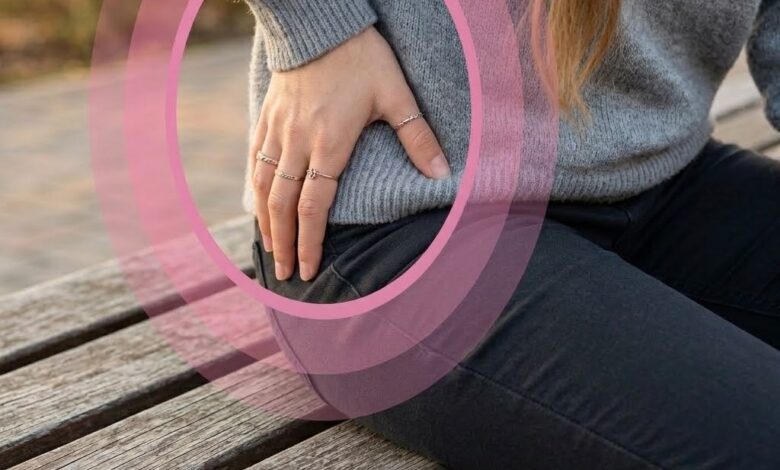
It can start with something so subtle that you barely give it a second thought.
A quiet click when you stand up.
A sudden pop as you turn.
A faint grinding or catching sensation when you climb stairs, get out of the car, or rise from a chair.
Sometimes there is no real pain at all. You can still walk, work, exercise, and carry on with your normal routine, so it is easy to tell yourself that the sound is nothing important.
Maybe you slept in an awkward position.
Maybe you spent too long sitting.
Maybe it is simply part of getting older.
And in many cases, an occasional painless click or pop really may not indicate a serious problem.
But when the sensation becomes frequent—or starts appearing alongside stiffness, discomfort, weakness, swelling, or reduced movement—it may be worth finding out why.
Your Hips Do More Work Than You Realize
The hip is one of the body’s major weight-bearing joints. Every day, it helps you stand, walk, bend, turn, climb stairs, get into a vehicle, and lower yourself into a chair.
Because the hip works together with the pelvis, lower back, core, muscles, tendons, and legs, a change in one area can sometimes influence how the surrounding structures move.
That is why a small movement problem can gradually become noticeable in other parts of your routine.
You might find yourself shifting your weight onto one side.
Perhaps one hip feels unusually tight when you first wake up.
Maybe you have started turning your entire body instead of comfortably rotating through the hip.
Or you hear the same clicking sound every time you lift your leg—but continue ignoring it because it does not hurt.
These changes can become so familiar that you stop noticing them.
When a Small Symptom Becomes a Pattern
An isolated sound is not necessarily a warning sign.
A repeated pattern is different.
If clicking, popping, grinding, stiffness, or discomfort keeps returning, especially if it is gradually becoming more noticeable, it is worth paying attention.
Over time, you may notice that your range of motion is changing. An activity that once felt effortless may require more effort. Getting out of a chair may feel different. Walking for long periods may become uncomfortable.
These changes do not automatically mean that something serious is wrong. Hip symptoms can have many possible causes, including problems involving muscles, tendons, the joint itself, or previous injuries.
The important point is not to diagnose yourself based on a sound alone.
It is to recognize when your normal movement pattern has changed.
Hip Problems Can Affect People of Any Age
Hip discomfort is not limited to older adults.
Previous injuries, repetitive activities, sports, prolonged sitting, muscle weakness, reduced flexibility, and changes in movement mechanics can all influence how the hip functions.
Sometimes there is no single dramatic injury.
Instead, the body gradually develops a different way of moving.
Muscles may compensate for weakness or limited mobility elsewhere. At first, that compensation can be helpful because it allows you to keep functioning.
But if the altered movement continues for a long time, certain muscles and tissues may experience additional stress.
This is one reason persistent symptoms are better evaluated than simply guessed at.
What Happens During an Evaluation?
A professional assessment does not always begin with complicated tests.
A clinician may first ask when the symptoms occur, what movements trigger them, whether there was an injury, and how the problem affects your daily activities.
They may watch you walk, examine your hip’s range of motion, assess strength and stability, and check which movements reproduce your symptoms.
Depending on the findings, imaging or other tests may sometimes be recommended.
The goal is to understand what is happening rather than assume that every click means the same thing.
Small Habits Can Support Hip Health
Movement is one of the simplest ways to support mobility.
If your day involves long periods of sitting, try to change position and get up regularly rather than remaining still for hours at a time.
Walking and other comfortable forms of activity can help you maintain general mobility.
Strength is important too. The hips do not work in isolation. The muscles of the legs, pelvis, and core all contribute to stability and controlled movement.
Activities such as walking, swimming, and cycling may provide useful low-impact movement for many people.
Gentle mobility exercises and stretching can also help maintain comfortable movement, provided they do not repeatedly aggravate your symptoms.
And remember: more discomfort does not mean a better workout.
If an exercise consistently causes significant pain, forcing yourself through it may not be the right approach.
Pay Attention to How You Move
You do not need to analyze every step you take.
But occasionally, it can be useful to notice your movement patterns.
Do you always stand with more weight on one leg?
Does one side feel tighter than the other?
Have you stopped making certain movements because they feel uncomfortable?
Do you need to use your hands to push yourself out of a chair when you did not before?
Has your walking pattern changed?
These small observations can provide useful information if you eventually discuss your symptoms with a healthcare professional.
Don’t Wait for Severe Pain
One common mistake is assuming that a problem only deserves attention once the pain becomes intense.
That is not necessarily true.
Persistent stiffness, reduced mobility, recurring discomfort, or a noticeable change in how you move can be worth discussing even when the symptoms are still manageable.
At the same time, there is no reason to panic over every unusual sound.
Human joints can click, crack, and pop for many harmless reasons.
The key is the overall pattern.
An occasional painless click may be insignificant. A recurring sound accompanied by pain, stiffness, weakness, or worsening mobility deserves more attention.
Know When to Seek Prompt Care
If hip symptoms develop after a significant injury, if you cannot put weight on the leg, or if there is severe or rapidly worsening pain, prompt medical evaluation is appropriate.
Sudden swelling, marked weakness, numbness, fever, or other unusual symptoms should also be assessed rather than ignored.
The right response is not fear.
It is awareness.
Your hips carry you through thousands of movements every day—most of which you never consciously think about.
So when something repeatedly changes, notice it.
Keep moving in ways that feel comfortable and appropriate. Pay attention to patterns. Avoid repeatedly forcing movements that cause significant pain.
And if clicking, popping, stiffness, or discomfort continues or begins interfering with everyday activities, consider speaking with a qualified healthcare professional.
You do not have to wait until walking becomes difficult.
Sometimes, listening to a small signal early is simply another way of protecting your ability to move freely later.