

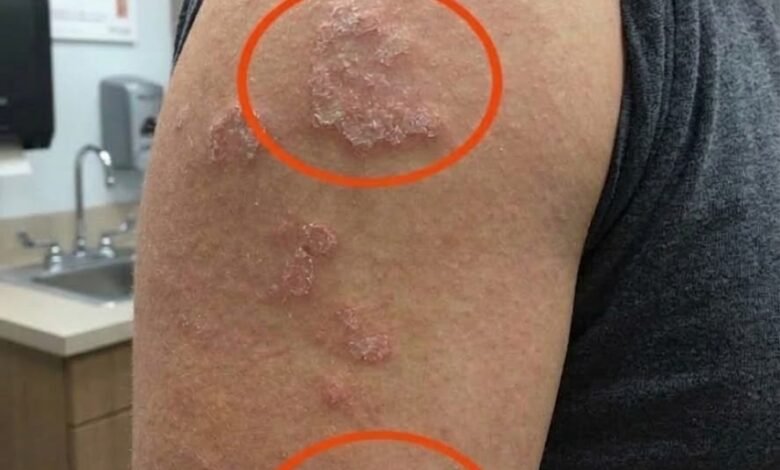
Red Circles and Unusual Marks on Your Arms: What Could Be Causing Them?
Discovering unexplained red circles or patches on your arm can be worrying, especially when they begin to itch, grow larger, or refuse to disappear. You might wonder whether the marks are caused by an allergy, a skin infection, or something that requires medical attention. Although many skin changes are harmless and temporary, their appearance, location, and progression can offer useful clues about what might be happening.
Red marks can develop for several different reasons, and not every circular rash has the same cause. Some result from irritation or an allergic reaction, while others may be associated with fungal infections or inflammatory skin conditions. Understanding these possibilities can help you decide what to do next without jumping to conclusions. However, appearance alone cannot always establish a diagnosis, and persistent or unusual skin changes deserve appropriate attention.
What Can Cause Red Circles on Your Skin?
One common explanation is contact dermatitis, which occurs when the skin reacts to a substance or becomes irritated by exposure to it. Soaps, detergents, fragrances, cosmetics, plants, and certain metals can trigger redness, itching, swelling, or dry patches. The rash may appear wherever the irritating substance touches the skin, although the pattern can vary depending on the exposure.
Another possibility is ringworm, a contagious fungal infection that can produce round or ring-shaped patches. Despite its name, ringworm is caused by a fungus rather than a worm. The affected area may have a raised, scaly border, an itchy surface, and a clearer-looking center. It can spread through direct contact with an infected person or animal, as well as through contaminated towels, clothing, or other shared items.
Eczema and other inflammatory skin conditions can also cause red, itchy patches. These areas may become dry, cracked, rough, or irritated, particularly when exposed to harsh products, cold weather, or other triggers. Psoriasis may produce well-defined patches with a thicker surface and visible scaling. Other conditions can resemble these disorders, so it is best not to assume that a particular pattern automatically identifies the cause.
Sometimes, red marks appear because of insect bites, friction, heat, or minor skin injuries. Hives can produce raised, itchy welts that change shape or move from one area to another. Small broken blood vessels may create red or purple spots that do not fade when pressed. These different patterns are important because they can point toward very different explanations and treatments.
What the Appearance of the Rash Can Tell You
Paying attention to how the marks look and change over time can help a healthcare professional narrow down the possibilities. A circular patch that gradually expands and develops a scaly outer edge may suggest a fungal infection. Redness that appears soon after using a new skincare product may be consistent with irritation or an allergic reaction. However, neither pattern is definitive on its own.
Itching is common in allergic reactions, eczema, and fungal infections, while tenderness, warmth, or increasing pain can sometimes indicate infection. Scaling, cracking, or small blisters may occur with several skin conditions. The number of patches, how quickly they spread, and whether they appear elsewhere on the body are also useful details to observe.
Other symptoms can provide additional clues. A rash accompanied by fever, joint pain, significant fatigue, or swelling may require more urgent medical assessment. Similarly, unexplained purple or red spots that do not fade under pressure should not automatically be dismissed as an ordinary rash, particularly if they appear suddenly or occur alongside other symptoms.
Taking a clear photograph of the affected area each day can help you track changes in size, color, and appearance. You should also note when the marks first appeared and whether you recently used a new product, handled an animal, spent time outdoors, or started a medication. This information may help a clinician identify the underlying cause.
Can Red Skin Marks Spread to Other People?
Whether a rash is contagious depends on what causes it. Ringworm and certain bacterial skin infections can spread between people, while some infections can also pass through contaminated objects or close contact. If a contagious condition is suspected, avoiding shared towels and clothing and maintaining good hand hygiene can help reduce the risk of transmission.
By contrast, allergic reactions, eczema, psoriasis, and most other inflammatory skin conditions are not contagious. You cannot catch these conditions simply by touching someone who has them. This distinction matters because assuming every unusual rash is infectious can create unnecessary fear and stigma.
Until the cause is clear, avoid scratching the affected areas, sharing personal items that touch the rash, or applying unprescribed treatments indiscriminately. If the marks are spreading or appear consistent with a fungal infection, a healthcare professional or pharmacist can advise you on appropriate next steps.
When Should You See a Doctor?
Many minor rashes improve when the irritating substance is removed or the skin is cared for gently. However, you should arrange a medical evaluation if the marks persist, repeatedly return, spread, or fail to improve with appropriate treatment. A clinician can examine the rash and determine whether further testing is needed.
Seek prompt medical care if the affected skin becomes increasingly painful, hot, swollen, or starts producing pus. A rapidly spreading rash accompanied by fever or feeling seriously unwell also warrants urgent assessment. Red or purple spots that do not fade when pressed require particular attention if they appear suddenly, spread quickly, or occur with fever or other concerning symptoms.
Call emergency services if a rash occurs with difficulty breathing, swelling of the lips or tongue, faintness, or other signs of a severe allergic reaction. A rash accompanied by severe illness, confusion, or a stiff neck also requires emergency evaluation.
Depending on the suspected cause, a clinician may recommend a skin examination, a sample taken from the affected area, or other tests. Many rashes can be diagnosed through examination alone, while unusual or persistent cases may require additional investigation.
Why Choosing the Right Treatment Matters
Treatment depends on the underlying cause, which is why using the wrong cream can sometimes make a rash worse. Fungal infections may require antifungal medication, while bacterial infections may need specific antibacterial treatment. Allergic reactions and inflammatory skin conditions may respond to different approaches, including avoiding triggers and using suitable topical medication.
Be particularly careful with steroid creams when the cause of a circular rash is uncertain. Although these medications can help certain inflammatory conditions, using them alone on a fungal infection may suppress the visible redness while allowing the infection to worsen or spread. If you are unsure what is causing the marks, seek professional advice before starting treatment.
Gentle skincare can help protect the skin while you determine the cause. Wash the area with lukewarm water and a mild, fragrance-free cleanser, avoid scrubbing, and use a suitable moisturizer if the skin is dry. Avoid applying strong chemicals, household remedies that may irritate the skin, or multiple new products at once.
Simple Ways to Help Prevent Future Skin Problems
You cannot prevent every skin condition, but a few practical habits can reduce some common triggers. Choose gentle skincare products, avoid substances that have previously caused irritation, and wear breathable clothing when heat and sweat aggravate your skin. Wash your hands after handling animals and avoid sharing towels or clothing if a contagious infection is suspected.
If you spend time in shared changing facilities or participate in contact sports, keep personal items separate and clean equipment regularly. If you develop recurring rashes, keeping a record of potential triggers may help you and your healthcare professional identify a pattern.
Healthy eating, adequate sleep, and regular physical activity support general well-being, but they are not guaranteed to prevent skin disorders. Persistent or recurring symptoms should be evaluated rather than attributed to a weak immune system without evidence.
The Emotional Side of Unexplained Skin Changes
Visible skin conditions can affect confidence and make people feel uncomfortable in social situations. Some worry that others will assume their rash is contagious, while others become anxious because they cannot explain why the marks appeared. These concerns are understandable, but an unfamiliar skin patch does not automatically indicate a serious illness or a threat to other people.
Getting an accurate explanation can reduce uncertainty and help you choose the right treatment. If the condition is harmless, reassurance may be all that is needed alongside appropriate skin care. If treatment is necessary, identifying the cause early can often make management easier.
Final Thoughts
Red circles or unusual marks on your arms can have many explanations, ranging from temporary irritation to fungal infections and chronic inflammatory conditions. Their shape and color may provide clues, but they are not enough to establish a reliable diagnosis. The most useful approach is to observe how the marks develop, avoid treatments that could make them worse, and seek medical advice when symptoms persist or become concerning.
If you have noticed a new rash, do not panic or immediately assume the worst. Pay attention to accompanying symptoms and changes in the affected area, and seek prompt help if warning signs appear. With the right assessment and appropriate treatment, many common skin conditions can be managed successfully.
Remember: Your skin can reveal useful information about your health, but not every red mark signals a serious problem. Understanding the possible causes and knowing when to seek professional care can help you respond calmly, protect your skin, and make informed decisions about your well-being.




