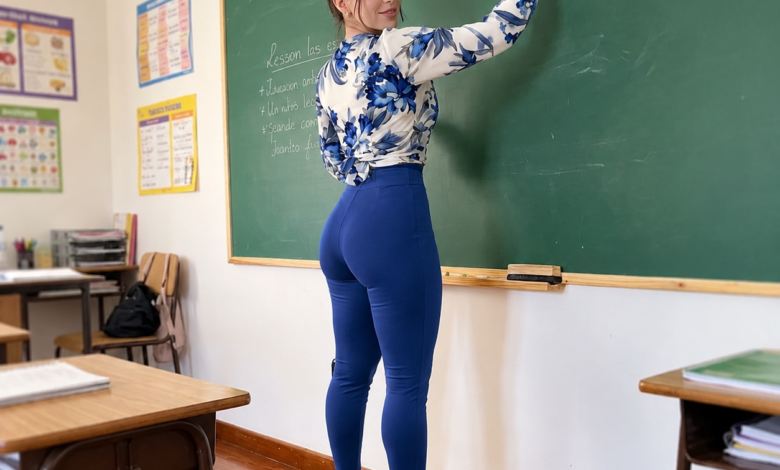
Student Records a Teacher, and the Video Sparks Online Controversy
A video showing a student recording a teacher has sparked widespread discussion online. The clip quickly attracted attention, with many people sharing their opinions and debating what might have happened. Some posts even claim that the teacher was expelled, but the available information does not confirm whether any disciplinary action actually took place.
The incident has raised important questions about student behavior, teacher responsibilities, privacy, and respect inside the classroom. Schools are places where both students and teachers should feel safe. However, recording someone without permission can create serious concerns, especially when the footage is shared publicly and spreads beyond its original audience.
Short videos often leave out important details. Viewers may see only a few seconds without knowing what happened before the recording began or what took place afterward. As a result, people can form strong opinions without understanding the full situation. Dramatic headlines and misleading captions can make an uncertain story appear more convincing than it really is.
Students should have a safe and appropriate way to report behavior they believe is unfair or inappropriate. They can approach school administrators, parents, counselors, or another trusted adult. Recording and posting a video online, however, can create additional problems, including embarrassment, harassment, and damage to someone’s reputation.
Teachers also have responsibilities. They are expected to maintain a professional environment, treat students fairly, and follow school policies. If a complaint is made, it should be taken seriously. At the same time, teachers deserve the opportunity to explain their actions and respond to any allegations.
School administrators should carefully examine the available evidence, speak with witnesses, and consider the circumstances before making decisions. They should avoid reaching conclusions based only on online reactions or public pressure. Clear policies about classroom recordings and social media can also help prevent similar controversies.
Parents and educators can use situations like this to teach young people about digital responsibility. Sharing a video may seem harmless at first, but once it spreads online, it can be difficult to control where it goes or how others use it.
Ultimately, the truth matters more than viral headlines. A video may provide useful evidence, but it does not always tell the complete story. Everyone involved deserves privacy, respect, and a fair opportunity to be heard. Accountability is important, but it must always be supported by facts, fairness, and responsible judgment.