
If You See These Tiny Insects in Your Bathroom, Here’s What You Should Do………

If You See These Tiny Insects in Your Bathroom, Here’s How to Get Rid of Them
Have you ever walked into your bathroom and noticed tiny insects crawling around the sink, shower, or bathtub? These unexpected visitors can be frustrating, especially when they keep appearing despite regular cleaning. Before reaching for an insecticide, however, it helps to identify what you are dealing with and understand why the insects are gathering there in the first place.
Bathrooms provide an ideal environment for many small insects because they tend to be warm, humid, and frequently exposed to moisture. While many common bathroom pests are harmless to people, their presence can sometimes point to a hidden leak, dirty drain, or persistent dampness that needs attention.
The good news is that once you identify the likely pest and address the conditions attracting it, you can often reduce the problem significantly.
What Are Those Tiny Insects in Your Bathroom?
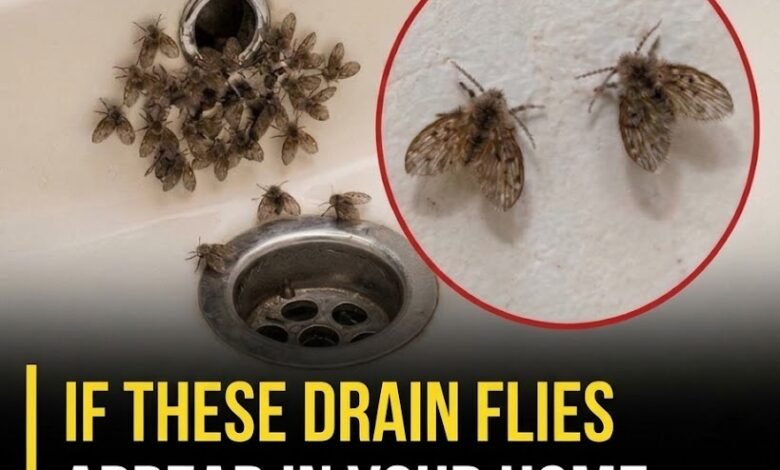
One common possibility is the drain fly, also known as a moth fly. These insects are usually tiny, grayish or dark in color, and covered with fuzzy wings that give them a miniature moth-like appearance. They often rest on bathroom walls near sinks, showers, and drains.
Drain flies reproduce in the moist organic buildup that can accumulate inside pipes and drains. This material provides food and shelter for their developing larvae. If the buildup remains, new flies may continue appearing even after the adults have been removed.
However, drain flies are not the only insects you might encounter.
- Springtails: Tiny insects commonly found in damp areas. Many species jump when disturbed and may gather near wet sinks, tubs, or windows.
- Booklice: Very small insects that thrive in humid environments and may feed on microscopic mold or fungi.
- Small ants: These may enter bathrooms while searching for water or food, particularly when moisture is readily available.
Identifying the insect correctly is important because the most effective treatment depends on the species and where it is breeding or entering your home.
Why Are Tiny Insects Appearing in Your Bathroom?
Finding small bugs does not automatically mean your bathroom is dirty. Even a regularly cleaned room can develop conditions that attract insects.
Excess humidity: Hot showers, poor ventilation, and damp towels can leave moisture in the air and on surrounding surfaces.
Dirty or obstructed drains: Hair, soap residue, and organic debris can accumulate in drains. When a moist film develops, it may provide a suitable breeding environment for drain flies.
Leaking pipes: A slow leak beneath a sink, around a toilet, or behind a wall can create a hidden damp area where moisture-loving insects thrive.
Standing water: Water that collects around shower corners, sink edges, or other surfaces can attract certain small pests.
Mold and mildew: Persistent moisture can encourage fungal growth, which provides food for some tiny insects, including booklice.
The important thing is to look beyond the insects themselves. If the underlying source of moisture or organic buildup remains, the problem may return.
Five Practical Ways to Get Rid of Bathroom Insects
<text weight=”medium”>1. Clean the drains thoroughly</text>
If the insects resemble tiny, fuzzy flies, begin by checking the sink and shower drains. Remove visible hair and debris, then use a suitable drain brush to clean the inside surfaces that you can safely reach.
A drain-cleaning product designed to break down organic buildup may also help. Follow the label carefully, and never mix cleaning products, particularly bleach with ammonia or acidic cleaners.
Killing adult flies alone may not solve the problem because larvae can remain in the drain. Removing the material in which they develop is often the more important step.
<text weight=”medium”>2. Reduce humidity and keep surfaces dry</text>
Run the bathroom exhaust fan during showers and afterward, or open a window when practical. Wipe excess water from the sink, bathtub, and shower surfaces, and allow wet towels to dry thoroughly.
These simple habits can make the bathroom less attractive to springtails and other moisture-loving insects. Consistent ventilation is especially helpful when condensation regularly forms on walls or mirrors.
<text weight=”medium”>3. Look for hidden leaks</text>
Inspect the area beneath the sink, around the toilet base, and near shower fittings. Watch for water stains, peeling paint, persistent dampness, musty odors, or mold that keeps returning.
Even a small leak can maintain the damp conditions insects need. If you cannot locate the source, consider asking a plumber or building maintenance professional to investigate.
<text weight=”medium”>4. Remove visible insects and monitor activity</text>
A vacuum cleaner or damp cloth can help remove insects you see on walls and other surfaces. Sticky traps placed near suspected problem areas may also help you determine where insect activity is concentrated.
Keep in mind that traps generally do not eliminate the source of an infestation. If insects continue breeding inside a drain or entering through another opening, the underlying problem must still be addressed.
<text weight=”medium”>5. Avoid unnecessary insecticide use</text>
Spraying insecticide around the entire bathroom may kill visible insects without stopping them from returning. Some products can also create health risks when used improperly in enclosed spaces.
Identify the pest first, follow product instructions, and prioritize cleaning, ventilation, and repairs. If the insects persist despite these measures, a qualified pest-control professional can help identify the source and recommend appropriate treatment.
When Should You Be Concerned?
Most tiny insects commonly found in bathrooms do not pose a serious health risk. Nevertheless, a persistent infestation may signal a moisture problem that deserves attention.
Consider seeking professional help if:
- Insects keep returning despite thorough cleaning.
- Large numbers appear around several drains or other areas.
- You notice unexplained dampness, recurring mold, or persistent musty odors.
- The insects appear to bite or cause skin irritation.
- You cannot identify the insects or determine where they are coming from.
Avoid assuming that every tiny insect near a sink is a drain fly. Different pests require different approaches, and an accurate identification can prevent unnecessary treatments.
How to Help Prevent Them From Returning
Once you have addressed the immediate problem, a few regular habits can help keep your bathroom less attractive to insects.
- Clean sink and shower drains periodically.
- Repair leaking taps, pipes, and toilet connections promptly.
- Use an exhaust fan or other suitable ventilation to reduce humidity.
- Dry wet surfaces and avoid leaving standing water.
- Address mold and mildew at their source rather than simply wiping away visible growth.
- Check damp, poorly ventilated corners and spaces beneath sinks.
Prevention works best when cleaning is combined with moisture control. A spotless bathroom can still attract insects if a hidden leak or damp drain provides the conditions they need.
The Bottom Line
Discovering tiny insects around your bathroom sink, shower, or bathtub can be unpleasant, but it does not necessarily indicate a serious infestation. The most effective response is to identify the pest, investigate where it is gathering, and address the conditions that allow it to thrive.
For suspected drain flies, thorough drain cleaning may be the key. For springtails and other moisture-loving insects, reducing humidity and fixing leaks may make the biggest difference.
The secret is to treat the source, not just the insects you can see. With regular maintenance, proper ventilation, and timely repairs, many common bathroom insect problems can be reduced or eliminated.
Have you noticed tiny insects around your bathroom drain or sink? Their size, color, shape, and behavior can offer useful clues about what they are and how to deal with them.




