
The Sewol Ferry Disaster 304 Lives Lost in One of South Koreas Darkest Maritime Tragedies…………..

Chapter: A Journey That Was Supposed to Be an Adventure
On the evening of April 15, 2014, the passenger ferry MV Sewol departed from Incheon, South Korea, bound for the southern island of Jeju. For most of the people on board, it was expected to be a routine overnight voyage. But among the passengers were hundreds of students from Danwon High School in Ansan, who were setting off on a school trip they had eagerly anticipated.
For the teenagers, the journey represented a welcome break from classrooms, homework, and everyday responsibilities. Jeju Island, famous for its volcanic scenery, rugged coastline, beautiful beaches, and popular tourist attractions, was a destination that promised new experiences. The students likely imagined days spent exploring the island, laughing with friends, taking photographs, and enjoying time together outside the familiar surroundings of school.
A school trip is often remembered as one of the most enjoyable parts of growing up. It offers students a chance to build friendships, discover new places, and create memories that can last for years. Teachers and parents also see such journeys as valuable opportunities for learning and personal development. Nothing about the departure of the Sewol suggested that this particular trip would become one of South Korea’s most devastating maritime disasters.
The ferry carried 476 people, including 325 students and accompanying teachers, along with other passengers and crew members. Families had placed their trust in the school organizers, the ferry company, and the crew responsible for the vessel. Each person on board had a reason for making the journey, whether it was education, work, travel, or simply reaching Jeju Island.
For the students’ parents, the decision to allow their children to travel was based on an ordinary but deeply important assumption: that the ferry was safe, the crew was prepared, and the adults responsible for the journey would protect those in their care. For the students themselves, safety was probably not something they spent much time thinking about. They had boarded a passenger ferry expecting to arrive at their destination.
As the vessel continued through the night, the passengers had little reason to imagine how dramatically the coming hours would change their lives. What should have been a peaceful overnight crossing was about to turn into an emergency that would leave families waiting anxiously for news and a nation struggling to understand what had happened.
The following morning, that expectation of a safe arrival was shattered.
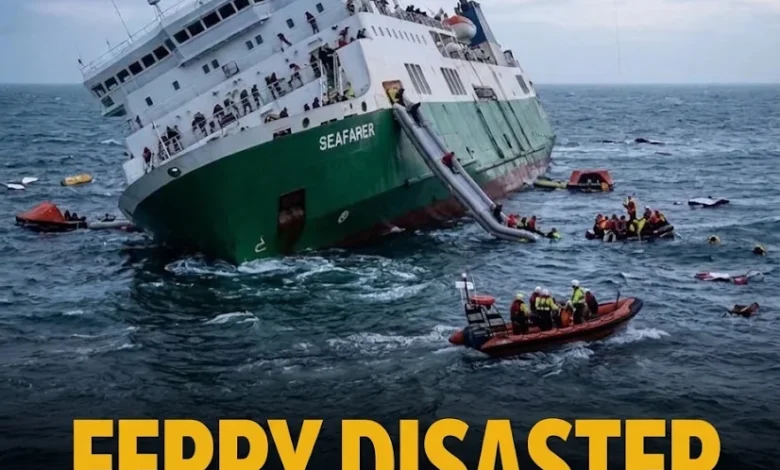
On April 16, 2014, the Sewol began listing heavily as it traveled toward Jeju. The vessel eventually capsized and sank, transforming an ordinary school excursion into a national tragedy. Passengers faced a terrifying struggle as the ship tilted further, while people on shore and families watching the developing reports desperately hoped that those aboard could be rescued.
The disaster would raise painful questions about emergency response, passenger safety, evacuation procedures, and the responsibilities of those entrusted with protecting human lives. It would also leave an especially deep mark because so many of the passengers were teenagers whose families had expected them to return home after an enjoyable school trip.
What began as a journey filled with anticipation became a heartbreaking reminder that safety at sea depends on preparation, responsible decisions, and an effective response when danger arises. The story of the MV Sewol is not simply about a ferry that sank. It is also about the students, teachers, passengers, crew members, and families whose lives were forever affected by the events of that morning.




