
Argentinian Influencer Sparks Heated Debate After Saying People Living in Poverty Should Not Have Children…

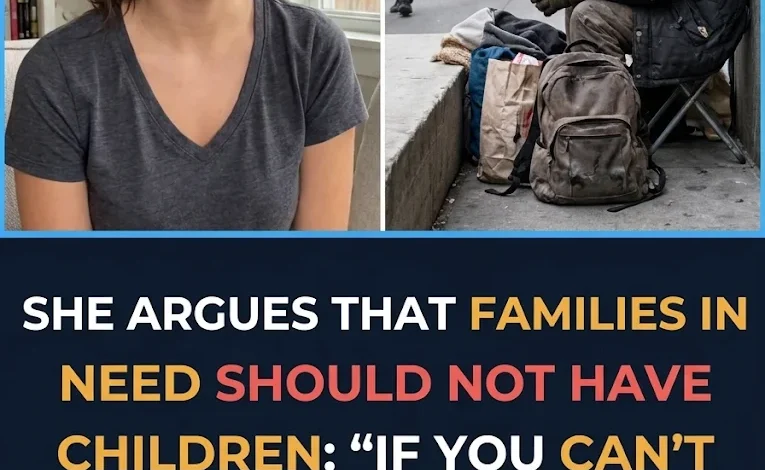
An Argentinian social media influencer, Keila Rodríguez, sparked a major online controversy in February 2026 after sharing her controversial views about poverty, parenthood, and the financial responsibilities of raising children.
In a viral TikTok video, Rodríguez argued that people who cannot afford basic necessities should think carefully before deciding to bring children into the world.
“If you live with an empty stomach, you have no right to bring more hunger into the world,” she said.
Her statement quickly spread across social media, attracting thousands of reactions and dividing viewers. While some agreed with her concerns about financial responsibility, others felt her message was insensitive toward families already struggling to make ends meet.
The discussion soon became about more than one influencer’s opinion. It raised broader questions about what it means to be prepared for parenthood, whether financial stability should influence family planning, and how society should treat people living in poverty.
Her Argument: Raising a Child Requires More Than Love
Rodríguez defended her position by pointing to the everyday expenses involved in raising a child. From milk and diapers to clothing, medical appointments, and education, she argued that parenting comes with significant financial responsibilities.
According to her argument, prospective parents should consider whether they can provide a child with basic necessities before starting a family.
She questioned why someone who is already struggling to afford food would choose to take on the additional responsibility of raising a child without first considering the financial consequences.
Her message focused on the idea that having children should never be treated as a decision without consequences. A child needs more than affection alone; they also need a safe place to live, regular meals, healthcare, clothing, education, and consistent attention.
She suggested that adults should honestly evaluate their circumstances and think about the kind of life they would be able to offer a child.
Why Her Comments Faced Backlash
Although some viewers supported her emphasis on planning and financial responsibility, others strongly disagreed with the way she expressed her views.
Critics argued that poverty should not determine who has the right to become a parent. They pointed out that financial circumstances can change unexpectedly and that many loving, responsible parents raise children despite having limited resources.
Some also questioned whether Rodríguez was placing too much responsibility on individuals while overlooking the larger economic problems that contribute to poverty.
Unemployment, low wages, rising housing costs, expensive healthcare, and limited access to education can make it difficult for families to achieve financial stability. These challenges do not necessarily reflect a person’s character or their ability to care for someone.
For many critics, the most troubling part of her statement was the suggestion that people experiencing poverty have less of a right to start a family.
They argued that financial hardship should not be used to shame or devalue people, especially those who are already facing difficult circumstances.
Why Some People Agree With Her Message
Not everyone viewed Rodríguez’s comments negatively. Some viewers agreed that bringing a child into the world involves serious responsibilities that should be considered before making such a life-changing decision.
They argued that children should not have to experience unnecessary hardship because their parents failed to plan for basic expenses.
Supporters also pointed out that raising a child can place enormous pressure on a household that is already struggling financially. Additional costs can affect parents’ ability to pay rent, buy groceries, access medical care, and maintain a stable home.
From this perspective, thinking carefully about family planning is not necessarily judgmental. It can be an important part of protecting both parents and children from avoidable difficulties.
However, there is an important distinction between encouraging responsible planning and suggesting that people living in poverty should be denied the opportunity to become parents.
The Bigger Question: Does Financial Stability Determine Good Parenting?
The controversy highlights a complicated issue that has no simple answer.
Financial security can make raising children easier, but it does not automatically determine whether someone will be a good parent. A wealthy household can lack emotional support and stability, while a family with limited resources can provide love, protection, encouragement, and a strong sense of belonging.
Children need material necessities, but they also need patience, affection, guidance, and people who are committed to their well-being.
At the same time, pretending that money does not matter would ignore the real challenges many families face. Food, housing, healthcare, and education are essential, and parents should be able to access the resources needed to provide them.
This is why many people believe the discussion should include not only personal responsibility but also the role of governments, communities, and social support systems.
Affordable childcare, accessible healthcare, better employment opportunities, and support for low-income households can help parents provide safer and more stable environments for their children.
A Debate That Goes Beyond One TikTok Video
Rodríguez’s remarks have opened a wider conversation about poverty, family planning, and the expectations society places on parents.
Some people believe prospective parents should reach a certain level of financial stability before having children. Others argue that life is unpredictable and that no one should have to meet a particular income standard to experience parenthood.
Both perspectives touch on genuine concerns: children deserve the opportunity to grow up with their basic needs met, and people experiencing poverty deserve dignity, respect, and equal treatment.
Ultimately, responsible parenting should involve thoughtful decisions, realistic expectations, and a commitment to providing children with the best possible care. But poverty alone should never be treated as proof that someone is incapable of being a loving and responsible parent.
The debate also serves as a reminder that conversations about poverty require compassion. Instead of simply blaming struggling families, society must also consider why so many people find it difficult to afford the necessities of everyday life.
What do you think? Should financial stability be considered a requirement before having children, or should the right to start a family remain separate from a person’s income?




