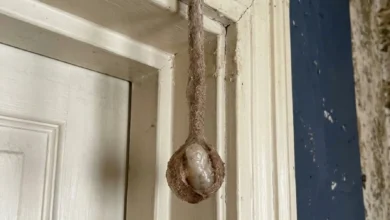
Finding a Snake in Your House? Here’s What to Do (And Why You Shouldn’t Panic)…….

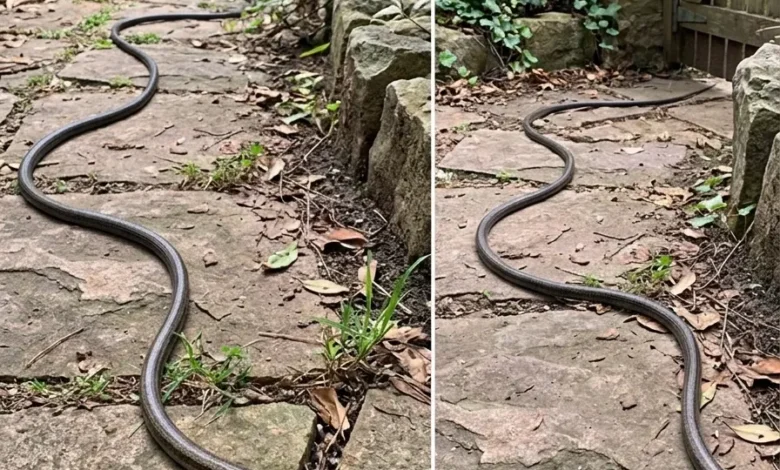
Finding a snake inside your home can be a frightening experience. Even a small snake can cause panic when it suddenly appears in a kitchen, bathroom, bedroom, or garage. However, the most important thing is to remain calm and avoid making sudden movements. Your reaction can make a big difference in keeping everyone safe.
The first rule is simple: never approach the snake to get a better look. Do not try to identify its species by examining its head, color, markings, or behavior. Some dangerous snakes can look similar to harmless ones, so it is always safer to keep your distance and treat an unidentified snake with caution.
If possible, slowly move away from the area and make sure children and pets are kept somewhere safe. If you can close the room’s door without getting near the animal, do so. You can place a towel along the gap beneath the door to help prevent the snake from moving into other parts of the house. Avoid blocking its path by standing too close or trying to corner it.
Never attempt to catch the snake with a stick, broom, bucket, or other household object. Trying to scare it away, trap it, or kill it can increase the chance of a defensive bite. Even people who believe they know how to handle snakes can make dangerous mistakes when dealing with an unfamiliar animal.
Instead, contact a qualified wildlife-removal professional, animal-control service, or local authority that handles snake encounters. Explain where the snake was seen, whether it is still visible, and whether anyone is in immediate danger. If it disappears into a cupboard, wall opening, or storage area, do not start moving furniture or searching through the space yourself. Let trained professionals assess the situation.
If someone is bitten, treat it as a medical emergency. Seek professional medical help immediately, even if the person feels fine or the bite looks minor. Keep the injured person as still and calm as possible, remove tight jewelry or clothing near the affected area, and follow emergency medical instructions. Do not cut the wound, attempt to suck out venom, apply ice, or use a tight tourniquet.
Once the snake has been safely removed, the next step is to understand how it entered the property. Carefully inspect the outside of your home for gaps around doors, windows, foundations, pipes, drains, and ventilation openings. Small openings can provide access to animals looking for shelter, especially when weather conditions change.
Pay particular attention to garages, basements, sheds, and storage rooms. These areas often contain clutter, cardboard boxes, unused equipment, and other places where snakes may hide. Keep floors clear, use tightly sealed plastic storage containers, and avoid leaving piles of wood, bricks, or construction materials close to the house.
Rodent control is another important part of prevention. Mice and rats can attract snakes because they provide a source of food. Keep rubbish covered, store food properly, clean up spilled pet food, and address signs of rodent activity before the problem grows.
Your garden and outdoor surroundings also matter. Keep grass trimmed, remove unnecessary vegetation near walls, and clear away piles of leaves and debris. Avoid creating dark, undisturbed spaces directly beside doors and windows where wildlife can find shelter.
It is also worth remembering that seeing one snake does not automatically mean there are more inside your home. Many snakes are solitary animals, and a single encounter may simply mean one found an accessible entrance or a suitable hiding place. However, repeated sightings deserve attention from a qualified professional.
Commercial snake repellents should not be treated as a guaranteed solution. Rather than depending on products that may not work consistently, focus on sealing entry points, reducing hiding places, and controlling rodents around your property.
A snake inside the house is certainly unsettling, but panic rarely helps. You do not need to touch it, chase it, or prove whether it is dangerous. Give it space, protect children and pets, secure the area if it is safe to do so, and contact someone trained to remove it. A few careful decisions can help prevent a frightening encounter from becoming a serious emergency.