Can COVID-19 Vaccines Cause Hidden Lung Damage? What Medical Evidence Actually Shows
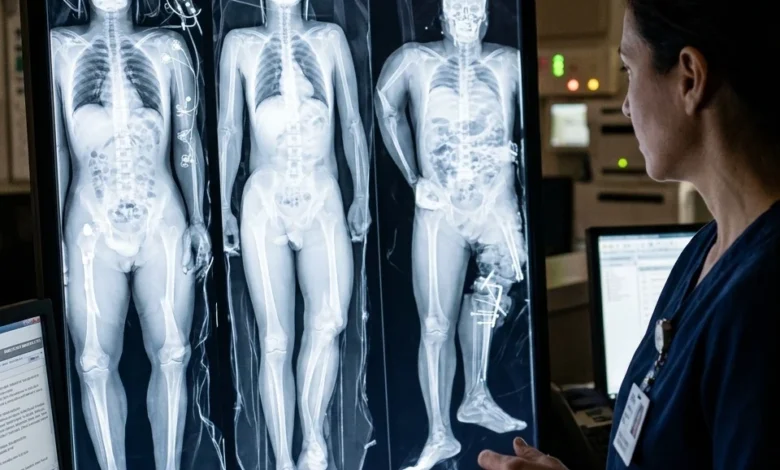
An unusual chest X-ray image has been circulating online, accompanied by alarming claims about people who received COVID-19 vaccines. Some posts suggest that vaccination may cause hidden lung injuries, unexplained respiratory abnormalities, or serious complications that remain unnoticed for months or even years.
For people who encounter these warnings, the claims can be unsettling. The lungs play an essential role in keeping the body supplied with oxygen, and any suggestion of long-term damage naturally raises concern.
But before accepting frightening social media claims, it is important to separate documented medical findings from speculation and misleading interpretations.
COVID-19 vaccines have been administered to millions of people worldwide and monitored through clinical research and safety-reporting systems. Although certain rare adverse reactions have been identified, current evidence does not establish that vaccinated people generally develop hidden lung damage.
Understanding the issue requires looking at how vaccines work, which complications have actually been documented, how COVID-19 infection affects the respiratory system, and why an unusual X-ray cannot tell the entire medical story.
1. Why Have COVID-19 Vaccines Become a Topic of Respiratory Health Concerns?
COVID-19 vaccines were developed primarily to reduce the risk of severe illness, hospitalization, and death caused by SARS-CoV-2, the virus responsible for COVID-19.
Their introduction represented one of the largest vaccination efforts in modern medical history. However, the speed of their development and the enormous number of people who received them also led to questions about possible side effects.
Some people reported temporary reactions after vaccination, including:
- Fatigue and general tiredness
- Fever and chills
- Headaches
- Muscle and joint aches
- Discomfort around the injection site
- Occasionally, chest discomfort or shortness of breath
Many common reactions reflect the immune system responding to the vaccine and generally improve within a few days.
However, researchers also identified certain uncommon but important adverse events that required further investigation.
One well-documented example is myocarditis and pericarditis. Myocarditis involves inflammation of the heart muscle, while pericarditis affects the thin membrane surrounding the heart.
These conditions have been reported rarely after some mRNA COVID-19 vaccines, particularly in adolescent and young adult males. They can cause chest pain, breathlessness, and a rapid or irregular heartbeat.
This is an important distinction because symptoms involving the chest do not necessarily originate in the lungs.
They may be associated with the heart, respiratory system, muscles, blood vessels, or other medical conditions.
Anyone experiencing persistent or unexplained breathing difficulties should therefore receive an appropriate medical evaluation rather than automatically blaming vaccination or dismissing a possible connection.
2. Can COVID-19 Vaccination Directly Damage the Lungs?
This question requires a careful explanation of how vaccines work.
COVID-19 vaccines are designed to prepare the immune system to recognize SARS-CoV-2. They do not cause ordinary COVID-19 infection in the way exposure to the infectious virus can.
For example, mRNA vaccines provide temporary instructions that allow certain cells to produce a harmless version of the viral spike protein. The immune system recognizes this protein and learns how to respond if it encounters the actual virus later.
The mRNA is subsequently broken down through normal cellular processes.
It does not permanently alter a person’s DNA.
Other vaccine technologies use different methods to stimulate an immune response, but they share the same broad purpose: helping the body recognize the virus without requiring the person to experience the full infection.
It is also important not to confuse the absence of a general pattern of vaccine-related lung injury with a claim that no respiratory adverse event could ever occur. Rare medical reactions and individual case reports require investigation, but they do not automatically demonstrate a widespread or established problem.
At present, the available evidence does not support the claim that COVID-19 vaccination routinely causes hidden lung damage in otherwise healthy people.
3. Why Can’t a Chest X-ray Prove That a Vaccine Caused Lung Damage?
A photograph of a chest X-ray can look alarming, especially when it is shared with a dramatic caption.
However, an X-ray cannot independently establish why an abnormality appeared.
Chest imaging may reveal changes associated with infections, inflammation, fluid accumulation, scarring, heart-related conditions, and several other medical problems.
Some abnormalities may also be present without causing noticeable symptoms.
To understand an unusual finding, doctors consider several factors, including the patient’s medical history, symptoms, previous imaging, physical examination, and sometimes additional tests.
A single image shared online rarely provides enough information to establish a diagnosis.
More importantly, even if an X-ray shows an abnormality in someone who previously received a COVID-19 vaccine, that timing alone does not prove that vaccination caused it.
A medical problem that appears after vaccination is not automatically a medical problem caused by vaccination.
Establishing a connection requires careful investigation and supporting evidence.
4. How Can COVID-19 Infection Affect the Lungs?
One important part of this discussion is the effect of the virus itself.
COVID-19 primarily affects the respiratory system, although it can also involve other organs.
In some people, infection causes inflammation in the lungs, leading to pneumonia and difficulty exchanging oxygen.
Severe cases can result in significant respiratory complications, including acute respiratory distress syndrome, a serious condition in which widespread inflammation and fluid accumulation interfere with normal breathing.
Some people also experience symptoms that continue after the initial infection. This condition is commonly known as long COVID.
Possible ongoing symptoms include:
- Shortness of breath
- Persistent coughing
- Unusual fatigue
- Chest discomfort
- Reduced exercise tolerance
- Difficulty concentrating
Not everyone who develops COVID-19 experiences these complications. Many people recover without lasting respiratory problems, while others may require extended medical care.
This is one reason vaccination research has focused heavily on reducing severe disease and its associated complications.
5. What Symptoms Should Never Be Ignored?
Whether someone has been vaccinated or not, certain respiratory symptoms deserve medical attention.
Persistent coughing, unexplained breathlessness, recurring chest discomfort, or a noticeable decline in exercise tolerance should not automatically be dismissed.
A healthcare professional may recommend an examination, oxygen-level assessment, chest imaging, heart tests, or lung-function testing depending on the symptoms.
Some warning signs require immediate medical attention, including:
- Severe difficulty breathing
- Persistent or intense chest pain
- Blue or gray discoloration of the lips or face
- Fainting or sudden confusion
- Sudden worsening of breathing problems
These symptoms can have several possible causes, and prompt evaluation is important.
6. Why Is It Important to Check the Source of Viral Medical Images?
Images shared online can easily lose their original context.
A chest X-ray may be presented without identifying the patient, explaining the diagnosis, providing the date of the examination, or describing the medical circumstances surrounding it.
Sometimes an image is reused with a completely different caption from the one originally accompanying it.
This makes it difficult for ordinary viewers to determine what the picture actually demonstrates.
Before believing a claim, consider whether it comes from a recognized medical institution, whether the image has been independently verified, and whether qualified specialists have explained the findings.
A dramatic caption is not a medical diagnosis, and an unusual image is not scientific proof.
The Bottom Line
COVID-19 vaccines have been extensively studied, and their safety continues to be monitored. Certain rare adverse reactions have been identified, including myocarditis and pericarditis following some mRNA vaccines.
However, current evidence does not establish that vaccinated people generally develop hidden or widespread lung damage.
An unusual chest X-ray cannot prove that vaccination caused a respiratory problem. Proper diagnosis requires medical history, examination, and appropriate testing.
At the same time, persistent breathing difficulties and unexplained chest symptoms should always be taken seriously, regardless of vaccination status.
The most responsible approach is neither to dismiss every concern nor to accept every alarming online claim. It is to examine the evidence, understand the limitations of medical images, and seek professional advice when symptoms arise.
Good health information should help people make informed decisions, not frighten them with conclusions that the available evidence cannot support.