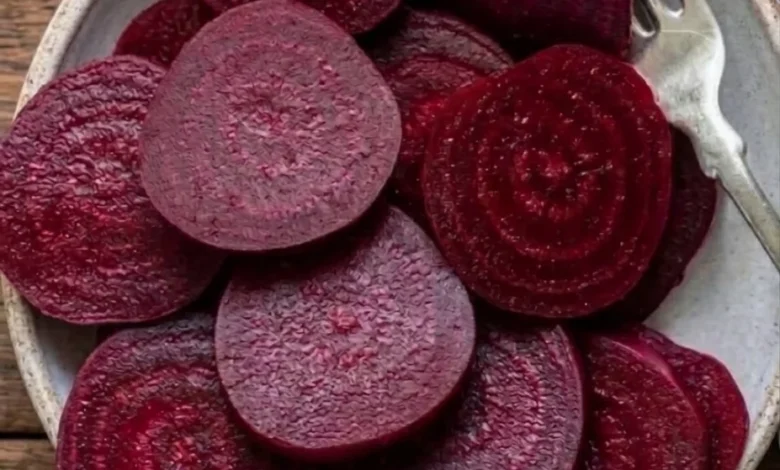
What Happens to Your Body When You Eat Beets Regularly? 7 Potential Health Benefits You Should Know
Beets might not be the first vegetable that comes to mind when thinking about healthy eating, but these colorful root vegetables have plenty to offer. Beneath their deep red appearance and earthy flavor is a combination of nutrients and natural plant compounds that have attracted considerable scientific interest.
From supporting blood-vessel health to providing fiber for digestion, beets can contribute to several important functions in the body. Researchers have also explored their possible effects on exercise performance and circulation.
One of the most interesting benefits begins with the way your body processes the natural nitrates found in beets.
1. They may support healthier blood pressure
One of the best-studied benefits of beets is their naturally high nitrate content.
After consumption, the body converts some dietary nitrates into nitric oxide, a molecule that helps blood vessels relax and widen. This process, known as vasodilation, allows blood to flow more easily through the circulatory system.
Research suggests that beetroot juice may produce a modest reduction in blood pressure, particularly in some people with elevated readings.
This makes beets an interesting food to include in a heart-conscious eating plan. However, their effects vary between individuals, and they should never replace prescribed medication or medical advice.
The important point is that beets may support normal blood-vessel function through a natural process already taking place inside your body.
2. They may help improve exercise performance
Beets have become especially popular among athletes and fitness enthusiasts because of their potential effect on physical endurance.
The nitrates in beetroot may help muscles use oxygen more efficiently during certain activities. As a result, some research has found modest improvements in exercise performance, particularly during endurance-based activities.
This is one reason beetroot juice has attracted attention in sports nutrition.
However, the results are not the same for everyone. Fitness level, exercise type, serving size, and individual differences can all influence the outcome.
Beets are not a shortcut to better athletic performance, but they may offer a small advantage under certain conditions.
3. They may support healthy blood circulation in the brain
Healthy circulation is important for the brain because it supplies oxygen and nutrients needed for normal function.
Researchers have investigated whether the nitrates in beets can influence blood flow to different areas of the brain. Some small studies have reported changes in cerebral blood circulation after consuming nitrate-rich foods.
These findings are interesting, particularly when studying healthy aging.
However, scientists have not established that eating beets prevents dementia, improves memory, or reverses age-related cognitive decline. More research is needed to understand whether these short-term changes lead to meaningful long-term benefits.
4. Their fiber supports digestion and gut health
Another reason to include beets in your diet is their dietary fiber content.
Fiber helps maintain regular bowel movements, supports digestive health, and provides nourishment for beneficial bacteria living in the gut.
A healthy gut microbiome contributes to normal digestive function and plays a role in several other processes throughout the body.
One important detail is that whole beets provide more fiber than strained beetroot juice. Roasted, boiled, or grated raw beets can therefore be useful choices when trying to increase daily fiber intake.
If you are not accustomed to eating much fiber, increase your intake gradually and drink enough water to help your digestive system adjust.
5. Their red pigments contain beneficial plant compounds
The rich red and purple colors of many beets come from natural pigments called betalains.
These compounds have attracted scientific attention because laboratory research has identified antioxidant and anti-inflammatory activity.
Antioxidants help protect cells against damage associated with unstable molecules known as free radicals.
Researchers are continuing to investigate the possible health effects of betalains, but it is important not to exaggerate the findings. Eating beets has not been proven to eliminate inflammation, prevent every chronic disease, or slow the aging process.
Still, their natural plant compounds add another reason to include colorful vegetables in a balanced diet.
6. They provide several essential vitamins and minerals
Beets offer more than nitrates and colorful pigments. They also contain nutrients that help the body perform everyday functions.
Some of their nutritional highlights include:
- Folate: Supports normal cell division and the formation of healthy red blood cells.
- Potassium: Helps regulate fluid balance and supports normal muscle and nerve function.
- Manganese: Contributes to enzyme activity, metabolism, and normal bone function.
- Iron: Plays an important role in transporting oxygen throughout the body, although beets are not an especially rich source.
- Fiber: Helps support digestion and contributes to a feeling of fullness.
These nutrients make beets a useful addition to a varied eating pattern, especially when combined with other vegetables, fruits, whole grains, and protein sources.
7. Do beets really cleanse or detoxify the liver?
Beetroot is sometimes promoted as a natural liver cleanser, with claims that drinking its juice can flush toxins from the body.
However, these claims are not supported by convincing clinical evidence.
Your liver and kidneys already perform essential functions involved in processing substances and removing waste. Although beets provide useful nutrients and plant compounds, there is no established evidence that they produce a special detoxification effect.
You do not need a beetroot cleanse to help your liver do its job.
A balanced diet, regular physical activity, adequate hydration, and limiting excessive alcohol consumption are more reliable ways to support overall health.
Are there any possible side effects?
For most people, eating ordinary portions of beets is safe. However, there are a few things worth knowing before making them a regular part of your diet.
One surprising effect is that beets can turn urine or stool pink or reddish. This is known as beeturia and is usually harmless.
Beets also contain oxalates, naturally occurring compounds that can contribute to calcium oxalate kidney stone formation in susceptible individuals. People with a history of these stones may need individualized dietary advice.
Another consideration is blood pressure. Because beetroot nitrates may lower blood pressure modestly, people with already low readings or those taking blood-pressure medication should discuss regular consumption of concentrated beetroot products with their healthcare professional.
Whole beets and beetroot juice also differ nutritionally. Juice can provide concentrated nutrients, but it may contain less fiber than the whole vegetable.
Simple ways to add beets to your daily meals
You do not need expensive supplements or complicated recipes to enjoy the nutritional benefits of beets.
Try adding roasted beets to a salad, mixing grated raw beetroot with carrots, or serving boiled beets alongside your regular meals.
They also work well with yogurt, lemon juice, olive oil, walnuts, and fresh herbs. If you prefer drinking them, beetroot juice can be combined with other fruits or vegetables for a refreshing drink.
The key is moderation and variety. Eating large quantities does not necessarily produce greater health benefits.
The bottom line
Beets are an affordable, nutrient-rich vegetable with several scientifically interesting properties. Their natural nitrates may support blood-vessel function and modestly improve certain types of exercise performance. Their fiber helps digestion, while their vitamins, minerals, and betalains contribute to their overall nutritional value.
However, they are not a cure for high blood pressure, a treatment for brain disease, or a miracle detox food.
The real benefit of eating beets regularly is that they provide valuable nutrients as part of an overall healthy diet.
Sometimes, improving your eating habits does not require an expensive supplement or an unfamiliar superfood. It can begin with something as simple as adding a colorful, naturally nutritious vegetable to your plate.