Parasites can sometimes be present in certain foods, but this should not be a reason to avoid those foods completely. Food safety specialists explain that the greatest risk comes from consuming food that is raw, undercooked, contaminated, or prepared under poor hygiene conditions. In most cases, simple food safety practices are enough to significantly lower the risk of infection.
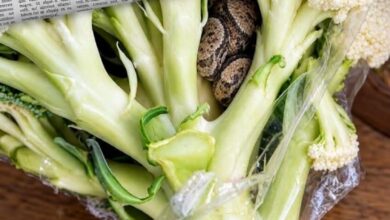
Foods that are more commonly linked to parasites include raw or lightly cooked fish, pork, wild game meat, and shellfish collected from polluted or contaminated waters. Fresh fruits and vegetables may also become contaminated if they are grown in soil or irrigated with water containing parasites and are not washed properly before being eaten. Unpasteurized milk and untreated drinking water can also carry certain parasites in some parts of the world, making proper food handling and clean water equally important.
Cooking food thoroughly is one of the most reliable ways to destroy parasites and other harmful organisms. Meat, poultry, and seafood should always be cooked to their recommended internal temperatures, while fruits and vegetables should be rinsed carefully under clean running water. Using separate cutting boards for raw meat and fresh produce, washing hands before and after handling food, and storing foods at safe temperatures can also help prevent cross-contamination.
People who enjoy raw dishes such as sushi, sashimi, oysters, or ceviche should choose trusted restaurants that follow strict food safety and sourcing standards. Many reputable suppliers freeze fish intended for raw consumption because freezing under the proper conditions helps eliminate certain parasites.
The symptoms of a parasitic infection can differ depending on the type of parasite involved. Common signs may include stomach cramps, diarrhea, nausea, vomiting, bloating, fatigue, loss of appetite, unexplained weight loss, or ongoing digestive problems. Some infections may cause only mild symptoms, while others can become more serious if left untreated. If symptoms continue for several days or develop after eating potentially contaminated food, it is important to consult a healthcare professional for proper diagnosis and treatment.
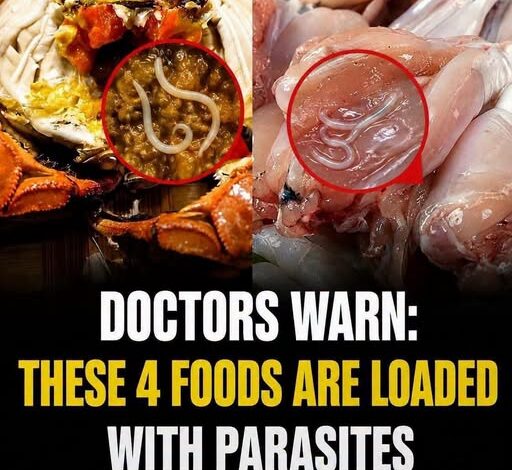
Although alarming headlines often claim that popular foods are “full of parasites,” these statements can be misleading. Modern food production, inspection systems, refrigeration, and proper cooking methods have greatly reduced the risk for most consumers. By purchasing food from reliable sources, maintaining good kitchen hygiene, and preparing meals correctly, people can safely enjoy a wide variety of foods without unnecessary concern.
Good food safety habits not only help prevent parasitic infections but also reduce the risk of bacterial and viral foodborne illnesses. Staying informed about safe food preparation and following public health recommendations are simple yet effective ways to protect yourself and your family while continuing to enjoy a balanced and nutritious diet.