
Unique Mid-Century Modern Home in Copley, Ohio, Showcases Inspired Architectural Design……….

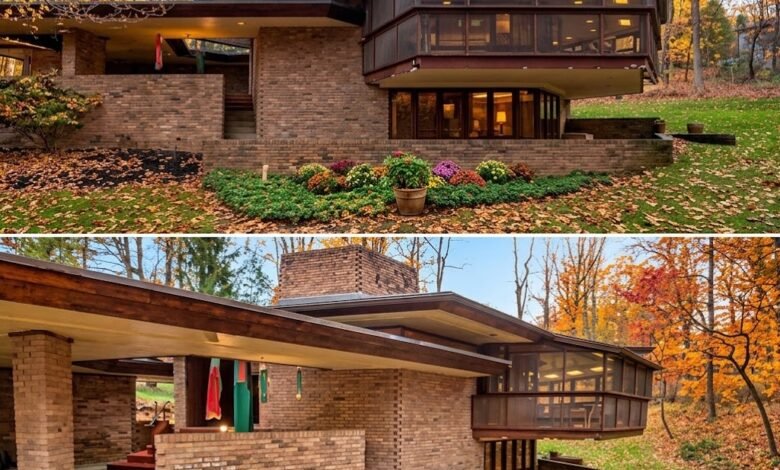
A Remarkable Mid-Century Modern Home in Ohio Showcases Timeless Architecture and Unusual Design
Situated in Copley, Ohio, this distinctive Mid-Century Modern residence stands out for its bold architectural features, geometric shapes, and thoughtful connection to nature. Reportedly constructed in 1962 by an architect influenced by Frank Lloyd Wright, the home offers a refreshing departure from conventional suburban houses. Its design reflects a period when architects experimented with open spaces, natural materials, and creative ways to bring the outdoors into everyday living. For anyone who appreciates homes with character and history, this property offers plenty to admire.
One of the most striking aspects of the residence is its unconventional architectural style. Angular lines, dramatic ceiling heights, and unusual room configurations give the home a personality that differs from more traditional properties. Instead of relying on elaborate decorations, the design uses proportions, structural details, and natural light to create visual interest. The reported connection to Wright-inspired architecture adds another layer of intrigue, although the original architect’s identity and professional background would need to be confirmed through reliable records.
Inside, the house appears to offer an experience shaped by its layout as much as its individual rooms. Variations in ceiling height, carefully positioned windows, and distinctive geometric details can create visual movement throughout the interior. Rather than presenting every room as a separate, conventional space, the design encourages a sense of continuity between different areas of the home. This approach is characteristic of many Mid-Century Modern residences, where functionality and visual harmony often take priority over traditional ornamentation.
The polished concrete flooring adds to the property’s understated appearance. Its clean finish complements the home’s geometric architecture while offering a durable surface that can work well with a variety of furnishings. Depending on its condition and finish, concrete flooring can also provide a contemporary contrast to natural wood, soft textiles, and other warmer materials. As with any older home, prospective buyers would benefit from checking the flooring for cracks, moisture issues, and signs of wear before making a decision.
The outdoor surroundings are another potentially appealing part of the property. Landscaped grounds can provide opportunities for gardening, outdoor relaxation, and entertaining guests while reinforcing the relationship between the house and its natural environment. Large or strategically positioned windows may allow daylight to enter the rooms and offer views of the greenery outside. Together, these elements can help create an atmosphere that feels connected to the landscape rather than isolated from it.
Of course, the charm of an older architectural home comes with practical considerations. Buyers should pay close attention to the roof, windows, drainage systems, insulation, plumbing, and electrical installations. Specialized architectural features can sometimes require repairs or replacement materials that are more difficult to source than standard building components. A professional home inspection can help identify potential problems and provide a clearer picture of the property’s long-term maintenance needs.
What truly makes this residence noteworthy is its emphasis on individuality. Its unusual shapes, dramatic ceilings, and restrained materials offer a glimpse into an architectural movement that challenged conventional ideas about how homes should look and function. Rather than following familiar suburban patterns, the design appears to prioritize spatial creativity, natural light, and a distinctive visual identity.
For buyers who appreciate architectural history, this Ohio residence may offer something more memorable than an ordinary house. Its reported 1960s origins and Wright-inspired design make it particularly intriguing, provided those historical details can be verified. An in-person visit, combined with a careful inspection and research into the home’s architectural background, would help determine whether its unique character is matched by its condition and practical suitability.
Ultimately, this property illustrates why Mid-Century Modern architecture continues to attract attention decades after its rise in popularity. Its appeal lies not simply in its age, but in the possibility of experiencing a home where structure, light, materials, and surroundings work together to create something distinctive. For the right buyer, it could represent an opportunity to own a residence with a strong architectural identity and a story worth exploring.




