

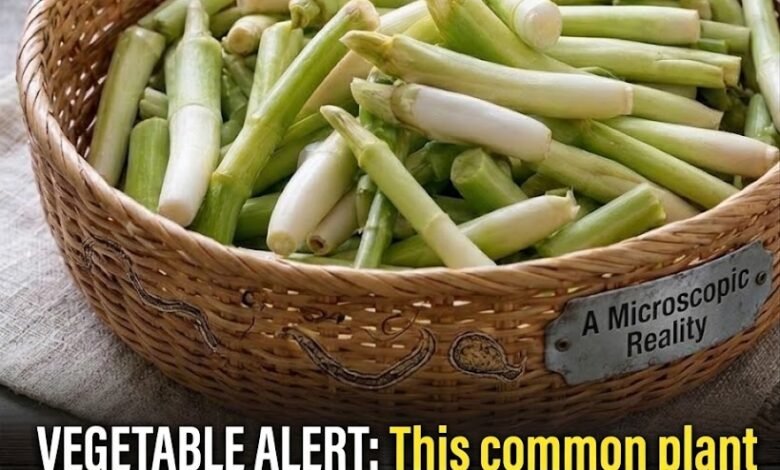
Green Onions and Food Safety: 15 Important Things You Should Know Before Eating Them
Green onions, also known as scallions or spring onions, are a popular ingredient in kitchens around the world. Their crisp texture and mild flavor make them a welcome addition to salads, soups, noodles, omelets, stir-fries, and countless other dishes. They are affordable, versatile, and provide several nutrients that support a balanced diet.
However, like other fresh vegetables, green onions can sometimes carry harmful microorganisms from the farm to the kitchen. Soil, irrigation water, harvesting equipment, transportation, and improper handling can all contribute to contamination.
You may have seen alarming headlines describing green onions as one of the “dirtiest vegetables.” Such claims can be misleading. Green onions are not inherently unsafe, and there is no need to avoid them simply because they grow close to the soil. The real concern is whether they have been grown, handled, washed, and stored safely.
Because green onions are frequently eaten raw or added to meals just before serving, understanding basic food safety practices is particularly important.
Here are 15 important things to know about selecting, cleaning, storing, and preparing green onions safely.
1. The White Base Needs Extra Attention
The white portion of green onions grows partly beneath the soil, making it more likely to collect dirt and small particles. Soil can also become trapped between overlapping layers near the base.
When cleaning green onions, pay particular attention to this area. Trim away the roots and rinse the white portion thoroughly under clean running water, gently rubbing its surface with your fingers. If dirt remains trapped between layers, separate them where practical and rinse again.
2. Soil Can Carry Harmful Microorganisms
Soil itself is a normal part of vegetable cultivation, but contaminated soil, untreated manure, or polluted irrigation water can introduce harmful microorganisms onto produce.
Potential contaminants include bacteria such as Salmonella and certain strains of E. coli. Other pathogens may also be present under particular conditions.
This does not mean every bunch of green onions is contaminated. It simply explains why careful handling and washing are important whenever fresh produce will be eaten without cooking.
3. Raw Green Onions Deserve Special Care
Cooking can destroy many harmful microorganisms when food reaches an adequate internal temperature. Raw green onions, however, do not receive that additional protection.
If contaminated onions are eaten without adequate preparation, they may contribute to foodborne illness. Washing under running water can reduce dirt and some surface contamination, although it cannot guarantee that every pathogen has been removed.
People who regularly use green onions as a garnish should make washing them part of their normal kitchen routine.
4. Washing Under Running Water Is the Best Starting Point
One of the simplest ways to clean green onions is to rinse them under clean, running water.
Remove damaged outer leaves, trim the roots, and gently rub the stalks as water flows over them. Pay particular attention to the white base and any areas where dirt is visible.
Avoid using soap, household detergent, or bleach to wash vegetables. These products are not intended for direct consumption and may leave harmful residues. Commercial produce washes are generally unnecessary for routine household cleaning.
5. Washing Does Not Make Produce Completely Risk-Free
It is important to understand what washing can and cannot do.
Rinsing under running water helps remove dirt and can reduce the number of microorganisms on the surface. However, it may not eliminate all harmful bacteria, especially if contamination is firmly attached to the produce or has reached damaged plant tissue.
For this reason, washing should be combined with other precautions, including purchasing fresh produce, storing it correctly, keeping preparation surfaces clean, and cooking green onions when appropriate.
6. Cooking Provides an Additional Layer of Protection
If you are concerned about food safety or preparing a meal for someone at increased risk of serious foodborne illness, cooking green onions can provide additional protection.
Adding them to soups, stir-fries, sauces, and omelets allows them to receive heat during preparation. The effectiveness of cooking depends on reaching adequate temperatures throughout the food.
Simply warming onions briefly or adding them to a dish immediately before serving may not provide the same level of protection as thorough cooking.
7. Cross-Contamination Can Undo Careful Washing
Even clean vegetables can become contaminated if they come into contact with raw meat, poultry, seafood, or contaminated kitchen equipment.
For example, placing freshly washed green onions on a cutting board that was previously used for raw chicken without proper cleaning can transfer harmful microorganisms back onto the vegetables.
Use clean cutting boards, knives, containers, and utensils. Keep raw animal products separate from ready-to-eat foods, and wash your hands with soap and water before preparing meals.
8. Refrigeration Helps Preserve Freshness
Green onions generally keep better when stored in the refrigerator rather than left at room temperature for extended periods.
Store them in a clean refrigerator, preferably in the produce drawer or another suitable area. Follow any storage instructions provided on the packaging, and keep the refrigerator at or below 40°F (4°C).
Refrigeration slows the growth of many microorganisms but does not make contaminated produce safe. It also cannot reverse spoilage that has already occurred.
9. Know the Signs of Spoilage
Before preparing green onions, inspect them for changes in appearance, texture, and smell.
Warning signs include:
- Slimy or unusually soft stalks.
- Visible mold.
- Extensive decay or dark, wet patches.
- A distinctly unpleasant or rotten odor.
Discard green onions showing clear signs of spoilage. Remember that harmful pathogens can sometimes be present without changing the vegetable’s appearance or smell, so fresh-looking produce still needs proper handling.
10. Choose Fresh Bunches When Shopping
When buying green onions, look for firm stalks, fresh-looking green leaves, and a white base without extensive damage or decay.
Avoid bunches that appear heavily wilted, slimy, moldy, or badly bruised. Check packaged produce for signs of excess moisture or deterioration.
Buying from reputable retailers and choosing vegetables that have been handled and displayed appropriately can help reduce avoidable risks, although no appearance-based inspection can guarantee that produce is free of pathogens.
11. Handle Damaged Leaves Carefully
Outer leaves may become bruised, wilted, or damaged during harvesting and transportation. Remove leaves that are clearly spoiled or badly damaged before preparing the remaining onions.
However, trimming away visibly damaged areas is not a substitute for washing. Contamination may not be visible, and removing one damaged leaf does not guarantee that the rest of the bunch is safe.
If the entire bunch is slimy, moldy, or noticeably rotten, it is better to discard it.
12. Pregnant Women and Other Vulnerable Groups Should Take Extra Care
Foodborne illnesses can affect anyone, but certain groups face a greater risk of serious complications. These include pregnant women, young children, older adults, and people with weakened immune systems.
For these individuals, careful food handling is particularly important. Wash fresh produce thoroughly, prevent cross-contamination, and consider cooked green onions instead of raw garnishes when appropriate.
Anyone with specific medical concerns or dietary restrictions should follow advice from their healthcare professional.
13. Green Onions Offer Valuable Nutrients
Food safety concerns should not overshadow the nutritional benefits of green onions.
They provide vitamin K, vitamin C, folate, fiber, and beneficial plant compounds. Their contribution to a person’s diet depends on the amount consumed and the overall variety of foods eaten.
Including green onions in meals can add flavor and freshness without requiring large amounts of salt or heavy sauces. They can be part of a healthy eating pattern when handled and prepared properly.
14. Parasites Are Possible, but the Risk Depends on Conditions
Some parasites can contaminate fresh produce, particularly when agricultural water, soil, or handling practices are unsafe. However, it would be misleading to suggest that parasites are commonly found on green onions everywhere.
The actual risk varies with growing conditions, sanitation, water quality, and food safety controls. In many circumstances, bacterial contamination is a more prominent concern in produce-related foodborne illness.
Thorough washing, safe sourcing, appropriate storage, and cooking when suitable are sensible precautions without assuming that every bunch poses a serious threat.
15. A Simple Kitchen Routine Can Make a Difference
You do not need an elaborate cleaning procedure to handle green onions responsibly. A consistent routine is usually the most practical approach.
Before eating or cooking them:
- Inspect the bunch and discard spoiled portions.
- Trim away the roots and damaged outer leaves.
- Rinse the stalks thoroughly under clean running water.
- Rub the surfaces gently and pay attention to the white base.
- Use clean utensils and preparation surfaces.
- Refrigerate unused portions promptly.
- Cook the onions when an additional food safety measure is appropriate.
These steps help reduce avoidable risks while allowing you to continue enjoying fresh vegetables.
The Bottom Line
Green onions are not inherently dangerous, and sensational claims that label them among the “dirtiest vegetables” should be treated cautiously. Like other fresh produce, they can become contaminated during cultivation, transport, or preparation, particularly when food safety practices are inadequate.
The most useful response is not fear or avoidance. It is good food hygiene: choose fresh produce, wash it thoroughly under running water, prevent cross-contamination, store it properly, and cook it when appropriate.
With these straightforward habits, green onions can remain a flavorful and nutritious part of everyday meals.




