

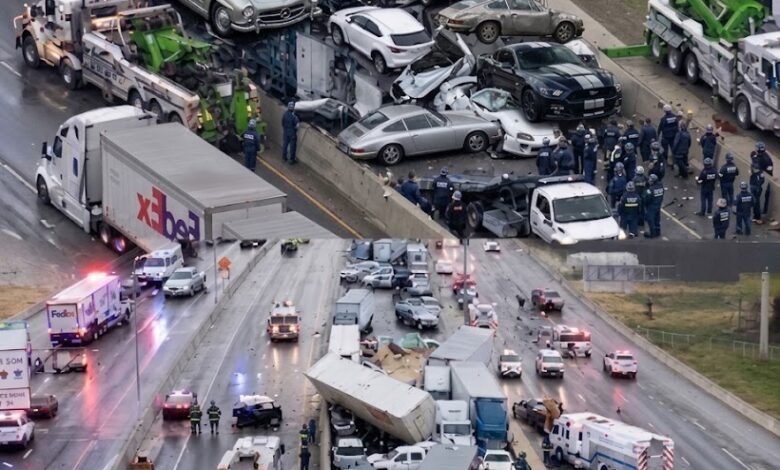
Reports of a Major Highway Collision Raise Questions as Fatality Claims Remain Unverified
A disturbing report describing a major highway collision has attracted attention and raised concerns about the possibility of multiple casualties. However, despite the seriousness of the claims, important details remain unclear. The account does not identify a police statement, transportation department announcement, or other official source confirming the reported deaths. It also fails to specify how many vehicles were involved or explain the exact circumstances surrounding the alleged collision.
These missing details are significant. When a report involves possible fatalities, accuracy becomes especially important. Sharing unconfirmed casualty figures or presenting speculation as established fact can create unnecessary fear, particularly among families who may be worried about relatives traveling through the area.
Why Verification Matters After a Serious Accident
Major highway accidents often become widely discussed within minutes of appearing on social media. Images, short videos, and dramatic captions can spread rapidly, sometimes reaching thousands of people before authorities have released an official update.
Although public concern is understandable, information shared online is not always complete or accurate. Early reports may contain conflicting details, exaggerated claims, or information that has not yet been checked. In some cases, an incident may be real while the number of casualties or the description of what happened remains incorrect.
This is why responsible reporting requires more than simply repeating a widely shared claim. Journalists and readers should look for confirmation from reliable sources before treating serious allegations as established facts.
What Authorities Need to Confirm
When a major collision occurs, several important questions usually need to be answered. Emergency responders and investigating agencies may provide information about the location, number of vehicles involved, injuries, fatalities, and any road closures.
Investigators may also examine the circumstances that contributed to the collision. Depending on the evidence, possible factors could include excessive speed, distracted driving, poor visibility, adverse weather, mechanical problems, or unsafe following distances.
However, none of these explanations should be presented as the cause of a particular accident without supporting evidence. Determining responsibility requires an investigation, and early assumptions can be misleading.
Official updates from police departments, highway patrol agencies, emergency services, and transportation authorities are therefore essential. Established news organizations can also provide useful reporting when they clearly identify their sources and distinguish confirmed information from developing details.
The Emotional Impact of Unconfirmed Reports
Claims involving multiple deaths can have consequences beyond the immediate news story. Families may become frightened when they see reports of a serious accident, especially if loved ones are traveling through the affected region.
An inaccurate casualty figure or misleading description can cause unnecessary panic and emotional distress. Even when a report is eventually corrected, the initial information may already have been shared widely.
For this reason, readers should think carefully before forwarding dramatic accident reports. Checking the original source, looking for official statements, and waiting for reliable updates can prevent misinformation from spreading further.
It is equally important to avoid sharing photographs or personal information about possible victims unless their identities and circumstances have been appropriately confirmed and the information is suitable for public release.
Highway Safety Remains an Important Concern
Regardless of whether the specific claims in this report are accurate, serious highway collisions are an important reminder of the need for responsible driving.
Highways often involve fast-moving traffic, changing road conditions, and limited reaction time. Even a brief distraction or sudden maneuver can create a dangerous situation for multiple road users.
Drivers can reduce risks by following basic safety practices:
- Maintain a safe distance from the vehicle ahead.
- Avoid using mobile phones while driving.
- Follow posted speed limits and adjust speed to weather conditions.
- Wear seat belts and ensure passengers do the same.
- Avoid sudden lane changes and aggressive driving.
- Take breaks when tired rather than continuing to drive while exhausted.
- Keep vehicles properly maintained and check tires and brakes regularly.
These precautions cannot eliminate every accident, but they can help reduce preventable risks and protect everyone sharing the road.
Accuracy Should Come Before Attention
At present, the available account does not provide enough independently verifiable information to establish the reported number of deaths or the full circumstances of the collision. Until credible confirmation becomes available, those claims should remain clearly identified as unverified.
This does not mean that every developing report should be ignored. It means that serious information should be handled with care, particularly when human lives and grieving families may be involved.
A responsible approach is to wait for confirmed updates, avoid repeating unsupported casualty figures, and rely on official agencies and reputable news organizations for further information.
Ultimately, when reports of a devastating highway accident emerge, the public deserves facts rather than speculation. Accuracy protects families from unnecessary distress, while responsible communication ensures that important safety messages are not overshadowed by misinformation.




