

Chronic Constipation: When a Common Digestive Problem Becomes a Serious Medical Concern
Chronic constipation is a common digestive problem that affects people of different ages, yet it is often dismissed as a minor inconvenience. Occasional difficulty passing stool may not be a cause for serious concern, but persistent constipation can interfere with daily life and sometimes signal an underlying medical condition that requires attention.
In certain circumstances, severe constipation can lead to complications such as fecal impaction, in which hardened stool becomes trapped inside the rectum or colon. Another serious condition involving abnormal enlargement of the large intestine is known as megacolon. Its most dangerous form, toxic megacolon, can become life-threatening and requires urgent medical treatment.
Although these conditions are sometimes discussed together, they are not interchangeable. Understanding their differences, recognizing warning signs, and knowing when to seek medical care can help prevent dangerous complications.
What Happens When the Colon Becomes Excessively Enlarged?
The colon, also called the large intestine, is responsible for absorbing water and electrolytes from digestive waste before stool leaves the body. Muscular contractions gradually move the remaining material toward the rectum, where it is eventually eliminated.
When normal bowel movement becomes disrupted, stool can remain in the intestine for longer than usual. In chronic constipation, this often results in harder, drier stool that becomes increasingly difficult to pass.
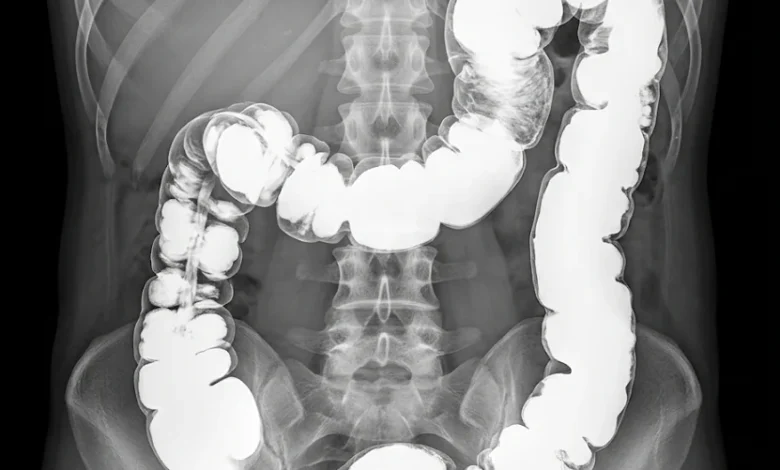
In some people, prolonged problems with intestinal movement can contribute to abnormal enlargement of the colon. This condition is called megacolon.
Toxic megacolon is more serious. It involves substantial dilation of the colon together with systemic toxicity, meaning that the illness is affecting the body beyond the intestine. Severe inflammation can weaken the intestinal wall and increase the risk of perforation, infection, and other dangerous complications.
If the colon ruptures, intestinal contents and bacteria can enter the abdominal cavity, potentially causing peritonitis, sepsis, and life-threatening organ failure.
Importantly, the colon does not ordinarily expand upward into the chest and compress the heart as a routine consequence of constipation. Severe abdominal distension can affect surrounding structures and breathing, but the idea that ordinary constipation causes the colon to grow into the chest is misleading.
Understanding the Difference Between Constipation, Fecal Impaction, and Toxic Megacolon
These three conditions can involve difficulties with bowel function, but their underlying mechanisms and medical risks are different.
1. Chronic constipation
Chronic constipation occurs when bowel movements become persistently infrequent, difficult, or incomplete. Common symptoms include:
- Fewer than three bowel movements per week.
- Hard, dry, or lumpy stool.
- Excessive straining during bowel movements.
- A sensation that stool has not completely passed.
- Abdominal discomfort and bloating.
Constipation can result from dietary habits, inadequate fluid intake, reduced physical activity, medications, or underlying medical conditions.
2. Fecal impaction
Fecal impaction develops when a large mass of hardened stool becomes lodged in the rectum or colon and cannot be passed normally.
It may cause abdominal discomfort, rectal pressure, bloating, nausea, and difficulty passing stool. In some cases, liquid stool leaks around the hardened mass, creating what may appear to be diarrhea.
Fecal impaction is particularly common among older adults, people with limited mobility, and individuals experiencing prolonged constipation.
Treatment may involve clinician-directed manual removal, appropriate rectal medications, or other medical interventions. Simply consuming more fiber is not necessarily appropriate when an impaction or obstruction is suspected.
3. Toxic megacolon
Toxic megacolon is an acute, potentially life-threatening complication involving severe colon dilation and systemic illness.
It is most commonly associated with severe inflammatory bowel disease, including ulcerative colitis and Crohn’s disease, as well as certain serious intestinal infections.
Unlike ordinary constipation, toxic megacolon involves significant inflammation and can cause fever, rapid heart rate, abdominal tenderness, and dangerous deterioration in overall health.
It requires immediate hospital assessment and treatment.
How the Colon Normally Moves Waste Through the Body
The digestive process depends on several systems working together to move waste safely through the intestine.
After nutrients are absorbed in the small intestine, the remaining material enters the colon. The large intestine gradually absorbs water and electrolytes, transforming the remaining contents into stool.
Muscular contractions, known as peristalsis, help move stool toward the rectum. The intestinal nervous system coordinates these movements, while the pelvic floor muscles help control the final stages of elimination.
When stool reaches the rectum, its walls stretch and trigger the sensation that a bowel movement is needed.
Constipation can develop when this process becomes disrupted. For example, slow movement through the colon allows additional water to be absorbed from the stool, making it harder and more difficult to pass.
Problems involving the pelvic floor, intestinal nerves, or the muscles of the digestive tract can also interfere with normal bowel function.
Warning Signs That Require Medical Attention
Persistent constipation should not automatically be treated as an emergency, but certain symptoms may indicate a more serious problem.
Possible warning signs include:
- Severe or worsening abdominal pain.
- Significant abdominal swelling or tenderness.
- Fever accompanied by abdominal symptoms.
- Persistent nausea or vomiting.
- Inability to pass stool or gas, particularly with abdominal distension.
- Blood in the stool.
- Unexplained weight loss.
- Unusual weakness or signs of dehydration.
A combination of severe abdominal swelling, pain, fever, rapid heartbeat, and vomiting can indicate a serious intestinal condition, including toxic megacolon or bowel obstruction.
<underline>Seek emergency medical care immediately if these symptoms occur.</underline> Do not attempt to manage suspected obstruction or toxic megacolon with home remedies, laxatives, or high-fiber drinks.
It is also important to seek medical evaluation for constipation that persists, repeatedly returns, or represents a significant change in normal bowel habits. There is no need to wait until symptoms have lasted a full week if they are severe or concerning.
What Can Cause Chronic Constipation?
Several factors can interfere with normal bowel movements.
Low dietary fiber: Fiber helps add bulk to stool and supports regular bowel movements. Diets containing few fruits, vegetables, whole grains, and legumes may contribute to constipation.
Insufficient fluid intake: Dehydration can make stool harder and more difficult to pass, particularly in people who already have slow bowel movements.
Limited physical activity: Regular movement supports normal digestive function. Extended periods of inactivity may contribute to constipation.
Medication side effects: Certain medications can slow intestinal movement. These include opioid painkillers, some antidepressants, iron supplements, and certain antacids containing calcium or aluminum.
Neurological conditions: Parkinson’s disease, multiple sclerosis, spinal cord injuries, and other neurological disorders can interfere with the nerves responsible for bowel function.
Digestive and intestinal disorders: Conditions such as irritable bowel syndrome with constipation, pelvic floor dysfunction, and Hirschsprung disease can contribute to persistent problems with bowel movements.
Identifying the underlying cause is important because the most effective treatment depends on what is disrupting normal bowel function.
How Is Toxic Megacolon Treated?
Toxic megacolon is a medical emergency and generally requires hospitalization.
Treatment depends on the underlying cause, the severity of the inflammation, and whether complications such as perforation or sepsis have developed.
Medical care may include:
1. Hospital monitoring and supportive care
Patients may require close monitoring of their vital signs, abdominal condition, blood tests, and fluid balance. Intravenous fluids and electrolyte replacement may be necessary.
2. Treatment of the underlying cause
Doctors may prescribe appropriate medications to control severe intestinal inflammation or treat an identified infection. Antibiotics are used when clinically indicated, particularly when infection or sepsis is suspected.
3. Bowel rest and specialist management
Patients may temporarily need to avoid eating or drinking by mouth while the intestine is assessed and treated. Gastroenterologists and surgeons may work together to monitor the condition.
4. Surgery when necessary
If the colon becomes perforated, the patient’s condition deteriorates, or medical treatment fails, emergency surgery may be required. In some cases, removing the affected portion or a substantial section of the colon is necessary to prevent further life-threatening complications.
Toxic megacolon cannot safely be treated with a homemade smoothie, dietary changes, or routine constipation remedies.
Natural Ways to Support Regular Bowel Movements
For people experiencing ordinary constipation without warning signs of obstruction or severe intestinal illness, lifestyle adjustments can make a meaningful difference.
1. Increase Dietary Fiber Gradually
Fiber helps retain water in stool and supports regular bowel movements. Good sources include:
- Oats and whole-grain foods.
- Apples, pears, and berries.
- Vegetables such as broccoli and carrots.
- Lentils, beans, and chickpeas.
- Chia seeds and ground flaxseeds.
Increase fiber gradually rather than making a sudden dramatic change. Too much fiber too quickly can cause gas and bloating.
People with severe abdominal pain, vomiting, significant distension, or suspected bowel obstruction should not attempt to increase fiber without medical advice.
2. Drink Enough Water
Adequate hydration helps prevent stool from becoming excessively dry. Individual requirements vary depending on body size, climate, activity level, and medical conditions.
People with heart or kidney disease may have specific fluid restrictions, so they should follow their healthcare professional’s recommendations rather than automatically aiming for a fixed daily amount.
3. Stay Physically Active
Walking, swimming, and other forms of regular physical activity can support normal bowel function.
Even a short daily walk may help people who spend long periods sitting.
4. Establish a Regular Bathroom Routine
Responding to the natural urge to have a bowel movement can help prevent stool from becoming increasingly difficult to pass.
Some people find it helpful to try using the bathroom after breakfast, when digestive activity naturally increases.
Avoid prolonged straining, which can contribute to hemorrhoids and other problems.
5. Review Medications With a Healthcare Professional
If constipation begins after starting a new medication or supplement, discuss it with a doctor or pharmacist.
Do not stop prescribed medication without professional advice. In some cases, an alternative treatment or an appropriate laxative may be recommended.
A Fiber-Rich Smoothie for People With Ordinary Constipation
For individuals who have uncomplicated constipation and can safely consume additional fiber, a simple smoothie may help increase daily fiber intake.
Ingredients:
- 1 cup of water or another suitable liquid.
- 1 tablespoon of chia seeds.
- 1 tablespoon of ground flaxseeds.
- ½ cup of prunes.
- ½ banana.
- A little honey, if desired.
Preparation:
- Soak the chia seeds in water until they begin to form a gel.
- Add the prunes, banana, ground flaxseeds, and remaining liquid.
- Blend until smooth.
- Consume as part of a balanced diet, increasing fiber gradually.
Prunes contain sorbitol, a naturally occurring sugar alcohol that can help draw water into the bowel. Chia seeds, flaxseeds, and fruit also provide dietary fiber.
However, this smoothie is not a treatment for fecal impaction, bowel obstruction, or toxic megacolon. People with severe bloating, vomiting, abdominal pain, or difficulty passing gas should seek medical assessment rather than trying a fiber-heavy drink.
When Should You See a Doctor?
Occasional constipation may improve with appropriate dietary and lifestyle adjustments. However, persistent symptoms deserve attention, particularly when they interfere with daily activities or are accompanied by other changes in health.
A doctor may review medications, dietary habits, bowel movement patterns, and medical history. Depending on the symptoms, further investigations may include blood tests, imaging, or specialized bowel examinations.
People experiencing sudden severe abdominal pain, fever, vomiting, or marked abdominal swelling should seek emergency care rather than waiting for a routine appointment.
The Bottom Line: Don’t Ignore Persistent Digestive Problems
Constipation is often manageable, but it should not always be dismissed as a harmless inconvenience. Persistent symptoms can sometimes point to medication effects, intestinal disorders, pelvic floor problems, or other conditions that require medical attention.
It is equally important to understand that toxic megacolon is not simply the result of failing to have a bowel movement for several days. It is a serious complication generally associated with severe intestinal inflammation or infection and requires urgent hospital treatment.
The safest approach is to maintain a balanced, fiber-rich diet, stay appropriately hydrated, remain physically active, and seek medical advice when bowel habits change significantly.
Your digestive health deserves attention. Recognizing the difference between ordinary constipation and a potentially dangerous intestinal condition can make a critical difference in getting the right treatment at the right time.




