
Authorities Investigate Serious Collision Involving a Truck and a Student Bus…….

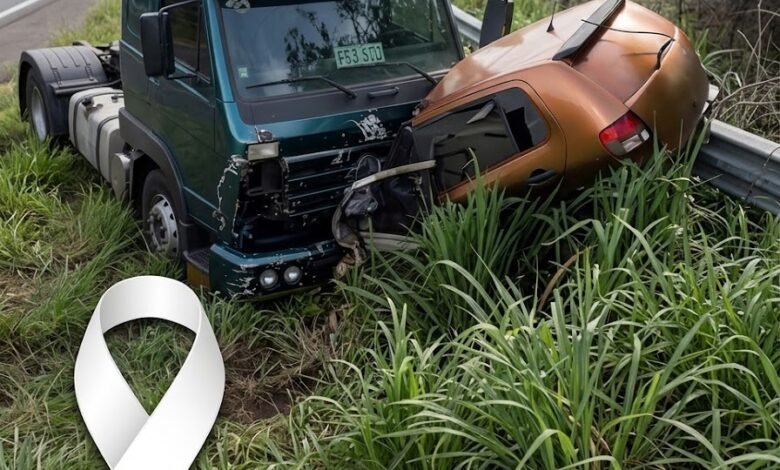
Twelve Lives Lost in a Devastating Crash Near Nuporanga—A University Community Searches for Answers
Sirens echoed across a quiet stretch of road near Nuporanga, leaving behind twisted metal, shattered lives, and questions that grieving families desperately want answered.
For the families waiting for news, the tragedy was more than a headline. It was the sudden loss of children who had been building their futures, pursuing degrees, and imagining the lives they hoped to lead. A journey that should have been ordinary became a devastating event whose consequences reached far beyond the crash site.
As news of the tragedy spread, attention turned toward the circumstances surrounding the collision, the investigation, and the people whose lives had been changed forever.
A University Overwhelmed by Grief
In the aftermath, the University of Franca was described as a community struggling to comprehend an unimaginable loss.
The familiar rhythms of campus life seemed distant as students and professors faced the absence of classmates and young people they had known. Lecture rooms, university corridors, and gathering spaces took on a different meaning as the community tried to find ways to mourn.
For the families, the pain was deeply personal. Parents who had once celebrated academic achievements and discussed future plans were left facing a reality they could never have prepared for.
Each student represented a life still unfolding: friendships yet to deepen, ambitions yet to be achieved, and ordinary moments that had once seemed certain to continue.
Their loss affected not only those who knew them personally but also a wider community connected through education, family, and shared hopes for the future.
Remembering the People Behind the Headlines
When a tragedy claims multiple young lives, public attention often focuses on the number of victims and the circumstances of the crash. Yet every person lost had a distinct personality, a family, and a future that mattered.
Some may have been approaching important academic milestones. Others may have been discovering their chosen careers, making new friendships, or working toward opportunities they had dreamed about for years.
For those who loved them, these details are not small things. They are the memories that make each absence impossible to replace.
Memorials and moments of silence can offer communities a way to express grief, but mourning does not follow a fixed schedule. Families may face difficult days long after public attention moves elsewhere.
Investigators Search for Answers
As investigators work to reconstruct the events leading up to a serious road collision, they may examine the vehicles involved, road conditions, witness accounts, and other available evidence.
These details can help establish a timeline and determine what factors contributed to the crash.
The account provided mentions a driver in custody, but that detail—and any claim about responsibility—would need confirmation from reliable reporting or official statements. Being detained does not, by itself, establish guilt.
For families seeking answers, a careful investigation matters. Understanding what happened can help establish accountability where warranted and identify measures that might reduce the risk of similar tragedies in the future.
A Community Comes Together
In moments of collective grief, support often appears through simple acts of kindness.
Friends sit together because being alone feels unbearable. Neighbors prepare meals for families who cannot think about everyday tasks. Teachers and classmates share memories, offer comfort, and help one another navigate the first difficult days.
Counselors and other support professionals can also help people process shock, grief, and uncertainty.
Such gestures cannot undo what happened, but they can remind grieving families that they do not have to carry the weight of their loss entirely on their own.
The wider university community, too, must find a way to continue while honoring those who will no longer walk its halls.
Beyond Condolences: The Questions That Remain
Official condolences and mourning periods can acknowledge the scale of a tragedy. However, families and communities may also seek clear answers about the circumstances that led to it.
Was the road safe? What happened in the moments before the collision? Were there preventable factors? What can be learned to protect others?
These questions deserve evidence-based answers rather than speculation.
When investigations establish that changes are needed, meaningful action can include reviewing road safety measures, addressing identified risks, and improving public awareness. Any conclusions about this particular crash, however, should depend on verified findings.
Twelve Lives, More Than One Tragedy
The loss described in this account reaches far beyond the immediate crash. It touches families, friendships, classrooms, and a community forced to imagine futures that will never unfold as expected.
The challenge now is to remember the students as more than victims of a devastating event. Their lives included hopes, relationships, achievements, and plans that deserve to be remembered with dignity.
As the investigation continues, grief may coexist with the determination to understand what happened and to prevent avoidable loss wherever possible.
The deepest tribute to those who died is not simply to remember the tragedy, but to remember the lives behind it—and to pursue answers with compassion, fairness, and a commitment to safer roads.
Verification note: The details in this account, including the reported number of victims, the driver’s custody status, and the university’s response, should be checked against reliable news reports or official statements before publication.




