

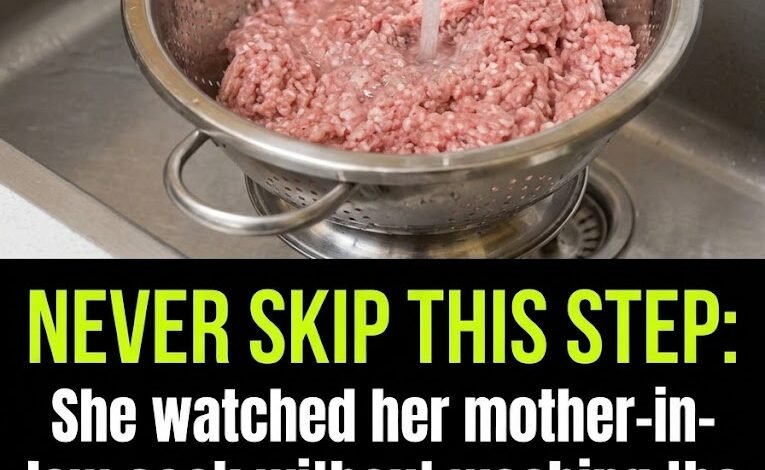
Should You Wash Minced Meat Before Cooking? Food Safety Experts Explain the Risks
Kitchen habits are often passed down from one generation to the next. From family recipes to cooking shortcuts shared online, home cooks have strong opinions about the best way to prepare ingredients. Few practices, however, create as much confusion as washing raw meat before cooking.
One question continues to divide home cooks: Should you rinse minced meat before putting it in the pan?
Some people believe washing ground beef removes dirt, excess fat, and harmful bacteria. Others insist that rinsing ruins the meat’s texture and flavor. Food safety experts, however, have a clear recommendation: washing raw minced meat is unnecessary and can increase the risk of spreading harmful bacteria around your kitchen.
Understanding why can help you prepare safer, tastier meals without adding an unnecessary step to your cooking routine.
Why Some People Wash Minced Meat
There are several reasons why people rinse raw ground beef or wash it after browning.
Some believe that water removes bacteria and makes the meat cleaner before cooking. Others want to reduce its fat content, particularly when preparing meals for someone who is watching their calorie intake or trying to limit saturated fat.
In some households, rinsing meat is simply a longstanding tradition. People may have learned the practice from parents or grandparents and continued doing it without questioning whether it is necessary.
However, running water over raw meat does not reliably remove harmful microorganisms. It can also splash contaminated droplets onto nearby surfaces, making the process less hygienic rather than more hygienic.
If reducing fat is the goal, there are safer and more effective ways to accomplish it.
Why Washing Raw Ground Beef Can Be Dangerous
Raw meat can carry harmful bacteria, including Salmonella and certain strains of E. coli. These microorganisms may cause foodborne illness if contaminated food is not handled and cooked properly.
When you rinse raw minced meat under a running tap, water can splash from the meat into the sink and onto nearby countertops, utensils, dishcloths, and other surfaces. This process, known as cross-contamination, can spread bacteria to foods that may be eaten without further cooking.
The problem is that water does not reliably kill these pathogens. Even if the meat looks cleaner afterward, harmful microorganisms may remain.
The safer approach is straightforward: skip the rinse and cook the meat thoroughly.
Does Washing Minced Meat Ruin Its Flavor?
From a culinary perspective, rinsing raw ground beef is usually unnecessary and can make preparation more difficult.
Ground beef contains varying amounts of fat, which contribute to flavor, juiciness, and texture. Washing the meat is not an effective way to control its fat content, and rinsing can introduce additional moisture that interferes with browning.
For a good sear, the meat needs direct contact with a hot cooking surface. If excess water is present, the pan may spend more time evaporating moisture before the meat develops a browned surface.
That golden-brown crust is produced in part by the Maillard reaction, a set of chemical reactions between amino acids and reducing sugars that creates many of the savory aromas and flavors associated with browned meat.
For better results, place the meat directly into a properly heated pan, break it apart as needed, and allow moisture to evaporate so the beef can brown.
What About Washing the Meat After Cooking?
Some cooks rinse or wash browned ground beef to remove rendered fat, particularly when preparing tacos, casseroles, or other dishes.
Although this may remove some surface grease, rinsing cooked meat is generally unnecessary and can wash away flavorful juices and seasonings. It can also create additional cleanup and food-handling concerns.
If you want to reduce the fat in your meal, consider these alternatives:
- Choose leaner ground beef. Products labeled 90/10 or 93/7 contain less fat than higher-fat blends.
- Drain excess grease carefully. After browning, transfer the meat to a suitable heat-resistant strainer or use a spoon to remove excess fat.
- Blot gently if needed. A paper towel can absorb some surface grease from cooked meat.
- Dispose of fat correctly. Allow grease to cool and place it in a suitable container or the trash. Avoid pouring large amounts down the sink, where it can contribute to clogged pipes.
These methods can help reduce excess fat without rinsing the meat under the tap.
The Correct Way to Prepare Minced Meat Safely
You do not need complicated procedures to prepare ground beef safely. A few basic habits can make a meaningful difference.
1. Keep raw meat separate from other foods. Use clean utensils and preparation surfaces, and keep raw meat away from ready-to-eat ingredients.
2. Wash your hands properly. Use soap and water before and after handling raw meat.
3. Avoid washing the meat. Put raw minced beef directly into the pan or cooking vessel without rinsing it first.
4. Cook it to a safe temperature. For ground beef, the USDA recommends an internal temperature of 160°F (71°C). A food thermometer is the most reliable way to check.
5. Clean contaminated surfaces. Wash cutting boards, utensils, and other equipment that have touched raw meat, using hot, soapy water and appropriate sanitizing procedures where needed.
6. Store leftovers promptly. Refrigerate cooked ground beef within two hours, or within one hour when the surrounding temperature exceeds 90°F (32°C).
Following these practices reduces the risk of foodborne illness while preserving the quality of your meal.
Is Washing Meat Ever Necessary?
For ordinary raw minced beef purchased from a grocery store, washing is not recommended. It does not make the meat reliably safer, and it can spread bacteria around the kitchen.
If you see visible contamination or the packaging is damaged, do not assume rinsing will make the meat safe. Follow food safety guidance and discard meat when its safety is in doubt.
Likewise, washing meat that has been stored improperly will not reverse the damage or make it safe to eat.
The Bottom Line
Washing minced meat before cooking may seem like an extra step toward cleanliness, but it offers no dependable food safety benefit. Instead, it can spread harmful bacteria through splashing and interfere with the browning process.
If you want safer meals, focus on proper handwashing, preventing cross-contamination, storing meat at safe temperatures, and cooking ground beef to an internal temperature of 160°F (71°C).
And if your goal is to reduce fat, choose a leaner blend or drain the rendered grease after cooking.
Sometimes the safest kitchen habit is not adding another step. It is knowing which steps you can confidently leave out.




