

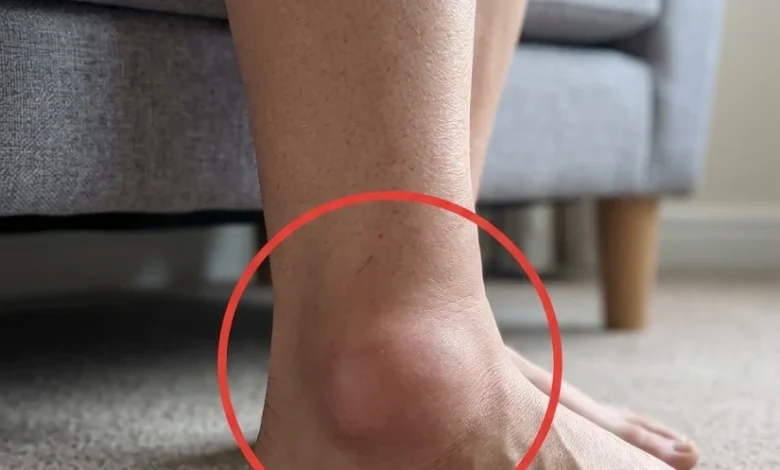
Swollen Feet May Be More Than Just Tiredness—Here’s What Your Body Could Be Telling You
Swollen feet are easy to dismiss, especially after a long day, a hot afternoon, or several hours spent sitting on a flight. Sometimes, the explanation is simple: temporary fluid buildup that improves with rest, movement, or elevating the legs.
However, swollen feet and ankles can sometimes signal something more important. They may be connected to circulation problems, fluid retention, an injury, or an underlying health condition affecting the heart, kidneys, or liver.
The important thing is knowing when swelling is likely to be temporary and when it deserves medical attention. Recognizing the warning signs can help you make informed decisions instead of ignoring a symptom that may need treatment.
Common Reasons Feet and Ankles Become Swollen
One of the most frequent causes of swelling is edema, a condition in which excess fluid collects in the body’s tissues. Because gravity naturally pulls fluid downward, the ankles, feet, and lower legs are common places for it to accumulate.
Prolonged sitting or standing can contribute to this problem. When the calf muscles remain inactive for extended periods, they do not help move blood and fluid back toward the heart as effectively. This explains why shoes may feel tighter after a long flight, a full workday, or an event that requires hours of standing.
Diet can also make a difference. Eating foods high in sodium may cause the body to retain more water, contributing to temporary puffiness in some people. Hot weather can have a similar effect. As the body responds to higher temperatures, blood vessels widen, which can encourage fluid to collect in the lower legs.
Injuries are another possible cause. A sprain, strain, or awkward twist can produce swelling as the body responds to damaged tissue. This type of swelling is often accompanied by tenderness, discomfort, bruising, or pain when moving or putting weight on the affected foot.
When Swelling Could Signal an Underlying Health Problem
Occasional swelling that disappears after rest may not be a major concern. However, swelling that continues, appears without an obvious explanation, or gradually becomes worse should be evaluated by a healthcare professional.
Several major organs help regulate the body’s fluid balance, including the heart, kidneys, and liver.
Heart-related problems: When the heart cannot pump blood efficiently, pressure can increase in the veins. This may cause fluid to accumulate in the legs, ankles, and feet. Swelling accompanied by breathlessness, unusual tiredness, or difficulty breathing while lying down deserves medical attention.
Kidney-related problems: The kidneys help remove excess sodium and water from the body. When they are not functioning properly, fluid may build up, sometimes causing swelling in the feet, ankles, or other areas.
Liver-related problems: The liver produces albumin, a protein that helps keep fluid inside blood vessels. Certain liver conditions can reduce albumin levels and contribute to fluid accumulation in body tissues.
Swelling can also be associated with vein problems, certain medications, hormonal changes, and other medical conditions. That is why recurring swelling should not automatically be attributed to tiredness or diet.
Warning Signs You Should Never Ignore
Not all swollen feet require emergency care, but certain symptoms deserve immediate attention.
One particularly important warning sign is sudden swelling in only one leg or foot, especially when accompanied by pain, tenderness, warmth, or redness.
This can sometimes indicate deep vein thrombosis (DVT), a blood clot that forms in a deep vein, usually in the leg. DVT is potentially dangerous because part of the clot can travel to the lungs and cause a pulmonary embolism.
Seek emergency medical help if leg swelling is accompanied by:
- Sudden shortness of breath.
- Chest pain, especially pain that worsens when breathing deeply.
- Coughing up blood.
- Fainting or severe dizziness.
These symptoms may indicate a pulmonary embolism or another serious condition.
Swelling accompanied by fever, spreading redness, warmth, or significant tenderness may also indicate an infection that needs prompt medical assessment.
Another detail worth noticing is pitting edema. When you gently press a finger against the swollen area, an indentation may remain briefly after you release it. This can occur with several types of fluid retention. It does not identify a particular disease by itself, but new, persistent, or worsening pitting swelling should be discussed with a healthcare professional.
Simple Ways to Relieve Mild Swelling
When swelling is mild and follows an obvious trigger, such as prolonged sitting or standing, a few practical steps may help.
1. Elevate your feet
Resting with your feet raised above heart level for approximately 20 to 30 minutes may help fluid move away from the lower legs. Use pillows or a comfortable surface to support your legs.
2. Move regularly
Gentle walking, ankle circles, and calf raises help activate the muscles that support circulation. If you spend much of the day sitting, try taking short movement breaks throughout the day.
3. Watch your sodium intake
Highly salted snacks, processed foods, and some packaged meals can contribute to water retention. Reducing excess sodium may help prevent recurring puffiness.
4. Stay appropriately hydrated
Drinking enough water supports normal body functions. However, people with heart, kidney, or liver conditions may have specific fluid restrictions, so they should follow their healthcare professional’s advice.
5. Consider compression socks carefully
Compression socks can help certain people manage swelling by applying gentle pressure to the lower legs. However, they are not appropriate for everyone. People with circulation problems, suspected blood clots, or certain medical conditions should seek professional advice before using them.
Who Should Pay Extra Attention?
People who spend long hours sitting at a desk, stand throughout their workday, travel frequently, or have a history of circulation problems may be more likely to experience recurring swelling.
Older adults and people taking certain medications may also notice fluid retention.
Some medicines used for blood pressure, diabetes, inflammation, or hormone-related conditions can contribute to swollen ankles. If swelling begins after starting a new medication, speak with a healthcare professional rather than stopping the medicine on your own.
Keeping track of when swelling occurs, whether it affects one or both feet, and how long it lasts can also help a clinician identify possible causes.
When Is It Time to See a Doctor?
Consider arranging a medical evaluation if:
- Swelling keeps returning or does not improve.
- Your feet or ankles are becoming progressively more swollen.
- You notice swelling without an obvious reason.
- The skin becomes stretched, uncomfortable, or discolored.
- You develop swelling after starting a new medication.
- You also experience unexplained weight gain or other new symptoms.
Sudden one-sided swelling, particularly with pain or warmth, needs urgent assessment. Chest pain, sudden breathing difficulty, fainting, or coughing up blood requires emergency medical care.
Listen to What Your Body Is Telling You
Swollen feet are sometimes a temporary response to heat, inactivity, or a long day. In those situations, movement, elevation, and a few healthy daily habits may be enough to improve the discomfort.
But swelling should not automatically be dismissed as harmless.
Its timing, severity, location, and accompanying symptoms can provide important clues. Paying attention to these details can help you recognize when simple home care may be appropriate and when professional medical advice is necessary.
The most important reminder is simple: occasional puffiness may be temporary, but sudden, unexplained, painful, or persistent swelling deserves attention. And when swelling comes with chest pain or breathing difficulties, seeking emergency help could be lifesaving.




