
Urgent 72-Hour Emergency Warning Issued Across Multiple US States as Severe Storms Threaten Power Grids……….

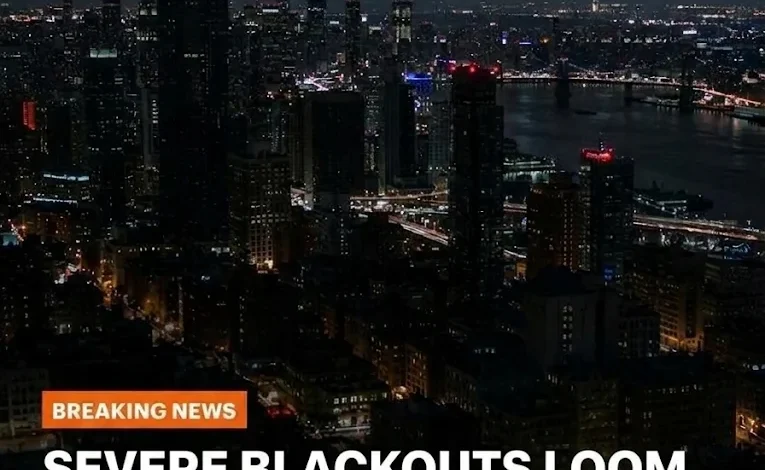
Severe Weather Causes Widespread Power Outages as Residents Face Dangerous Winds and Heavy Snow
Residents across parts of Northern California, southern Oregon, and upstate New York are facing challenging weather conditions as powerful winds and heavy snowfall threaten homes, roads, and electrical infrastructure. Reports describe widespread power interruptions, dangerous gusts, and growing concerns about how long some communities may remain without electricity.
The conditions have prompted warnings for residents to prepare their homes, protect essential supplies, and stay alert for rapidly changing weather.
Powerful Winds Threaten Northern California and Southern Oregon
According to the National Weather Service and Pacific Power, communities in Northern California’s Shasta Valley and coastal Del Norte County have faced extreme wind warnings.
Along the southern Oregon coast, including Curry County, destructive gusts reportedly reaching up to 65 mph have contributed to power disruptions, leaving thousands of customers without electricity.
Strong winds can create serious problems for electrical networks. Falling branches, damaged utility equipment, and trees coming into contact with power lines can interrupt service across entire neighborhoods. In exposed coastal areas, powerful gusts can also make driving difficult and create hazards for anyone walking outdoors.
Residents in affected communities are being urged to avoid unnecessary travel and secure outdoor objects that could become dangerous in high winds.
Heavy Snow Creates Additional Problems in New York
Meanwhile, parts of upstate New York have been dealing with a different but equally disruptive weather threat.
Heavy snowfall, with accumulations reportedly reaching as much as 12 inches in some areas, has affected communities across Otsego, Chenango, and Delaware counties.
The snowfall has contributed to power interruptions affecting more than 20,000 utility customers, according to the supplied account.
Heavy, wet snow can place considerable weight on tree branches and electrical infrastructure. When branches break or fall onto power lines, entire sections of a community can lose electricity. Snow-covered roads can also make it more difficult for repair crews to reach damaged equipment.
For residents, the combination of freezing temperatures and an unexpected power outage can quickly become a serious concern, particularly for older adults, families with young children, and people who depend on electricity for medical equipment.
How Households Can Prepare for a Power Outage
Emergency preparedness officials recommend taking a few important precautions before electricity is interrupted or while an outage is already underway.
Charge essential devices. Keep mobile phones, power banks, and other necessary electronics fully charged whenever possible. A working phone can help residents receive emergency updates and contact family members.
Keep emergency lighting available. Battery-powered flashlights and lanterns are safer alternatives to candles during an outage. Keep spare batteries somewhere easy to find.
Store essential food and drinking water. Non-perishable foods that do not require refrigeration or cooking can be particularly useful. Bottled water should also be available for drinking and basic household needs.
Protect refrigerated food. Keep refrigerator and freezer doors closed as much as possible. A closed refrigerator generally keeps food cold for approximately four hours, while a full freezer can maintain its temperature for about 48 hours if left unopened. Food safety should always take priority over avoiding waste.
Prepare necessary medications and medical supplies. Anyone who depends on refrigerated medication, oxygen equipment, powered medical devices, or other essential supplies should have an emergency plan and know where to obtain assistance if electricity remains unavailable.
Protect pipes during freezing conditions. In homes exposed to severe cold, residents should take appropriate precautions to prevent pipes from freezing. This may include insulating vulnerable pipes and maintaining safe indoor temperatures when possible.
Downed Power Lines Present a Serious Danger
One of the most important safety warnings during severe weather concerns fallen electrical wires.
A power line lying across a road, driveway, sidewalk, or yard may still carry electricity, even if it appears inactive. The absence of sparks, noise, or visible damage does not mean the wire is safe.
Residents should never approach or attempt to move a fallen power line. They should keep other people and pets away and report the hazard to the utility company or emergency services.
Drivers should also avoid attempting to cross areas where wires have fallen. If a power line comes into contact with a vehicle, occupants should generally remain inside unless there is an immediate threat such as fire, and follow emergency operator instructions.
Repair Crews Work to Restore Electricity
Utility companies typically prepare repair crews and equipment ahead of severe weather so that damaged infrastructure can be addressed as conditions allow.
However, restoration times can vary depending on the extent of the damage, road accessibility, weather conditions, and the number of affected customers. Residents should rely on their local utility providers for accurate outage information rather than assuming electricity will return at a particular time.
Checking official outage maps, signing up for local alerts, and keeping emergency contact information available can help households remain informed throughout the disruption.
Staying Safe Until Conditions Improve
Severe weather can affect communities in different ways, but the challenges are often similar: damaged power lines, difficult travel conditions, disrupted communication, and uncertainty about when normal services will return.
For families in Northern California, southern Oregon, and upstate New York, preparation and caution remain essential. Keeping emergency supplies ready, protecting vulnerable household members, and staying away from electrical hazards can make a significant difference.
The most important reminder is simple: never risk personal safety to restore electricity or protect household property. Food can be replaced, damaged equipment can be repaired, and power will eventually be restored. Staying safe should always come first.
Note: The regional weather conditions, outage figures, and restoration timeline in the supplied account have not been independently verified here. Readers should check current National Weather Service alerts and official utility outage updates for their specific location.




